Campaign to save the Wilbur-Cruce Mission Horse from extinction in 2026.
-
We are a team of competent and passionate horsemen, conservationists, and veterinarians committed to preserving and protecting the remaining Wilbur Cruce genetics.
-
We aim to preserve the Wilbur Cruce horses through collaborative care.
Our 2026 breeding plan is straightforward:
Locate and secure the remaining viable mares.
Work together with owners, reproduction veterinarians, and SBHA volunteers, and determine the best breeding methods to produce foals.
If we are successful, we ensure a sufficient number of offspring to preserve the Wilbur Cruce Spanish horse for future generations.
-
We collaborate with top experts in our field—scientists, conservationists, horsemen, and veterinarians—who focus on equine genetics and breeding.
-
To sponsor a mare and her breeding, which will sustain a specific breeding program in producing a much-needed foal from the old genetics.
The Wilbur-Cruce is a critically endangered strain of Spanish Barb horse, and the only known purebred line of rancher and Mission horses descended from Spanish colonial times.
With a very small population, our 2026 available and viable breeding animals consist of only 21 mares and 6 stallions.
These numbers pose challenges for conservation efforts. Additionally, many of the broodmares are first and second-generation offspring that have not yet foaled, which complicates breeding and increases costs. Most genetic lineages trace back to the original herd removed from Wilbur Ranch in the 1990s.
2026 represents an essential window to produce future generations.
The Spanish Barb Horse Association(SBHA), through the Save Our Stallions(SOS) Mare Initiative Program, is launching an urgent preservation campaign to secure Wilbur-Cruce’s remaining genetics.
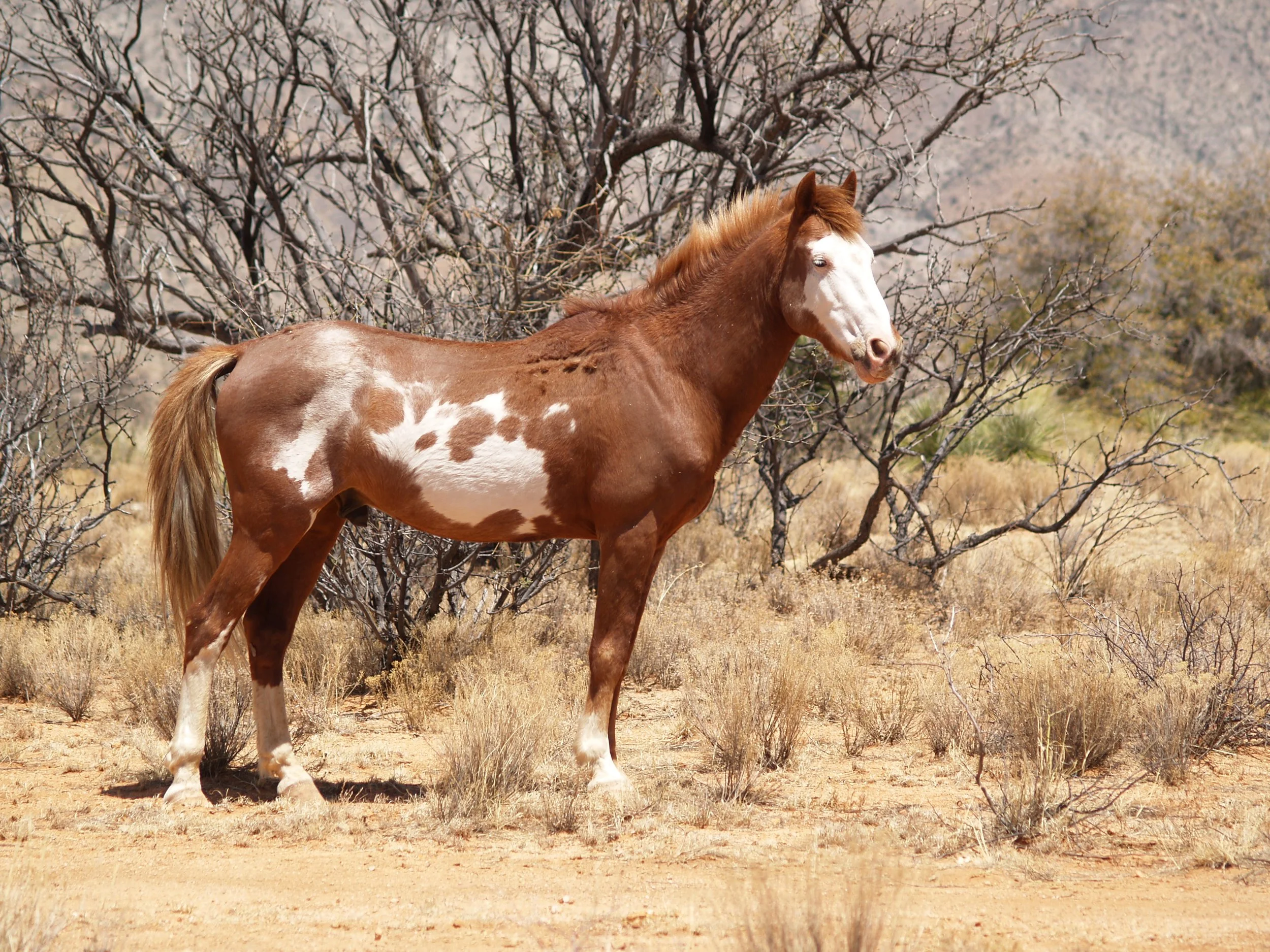
Geronimo, Foundation Wilbur Cruce Stallion
This year’s objective is clear: maximize successful breedings of older, mostly maiden mares with the few remaining stallions to carry critical bloodlines into the next generation.
Why this matters.
01
The Colonial Spanish Mission horse’s genetic diversity is limited and vulnerable. Each successful foal preserves unique alleles and links to historical lineages that would be lost if these mares are not bred now.
02
These older maiden mares represent irreplaceable reservoirs of genetics; delaying risks of losing those lines through age-related infertility or health decline.
03
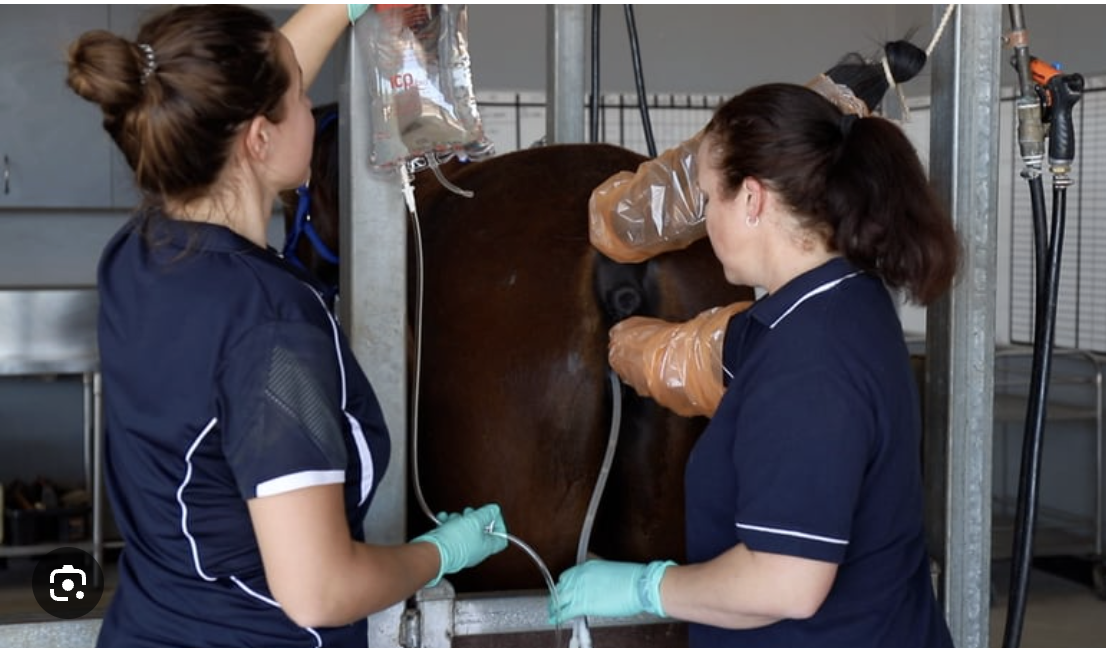
Coordinated, expert-led breeding increases the likelihood of conception, healthy pregnancies and viable foals.
Collaborative Approach to Conservation.
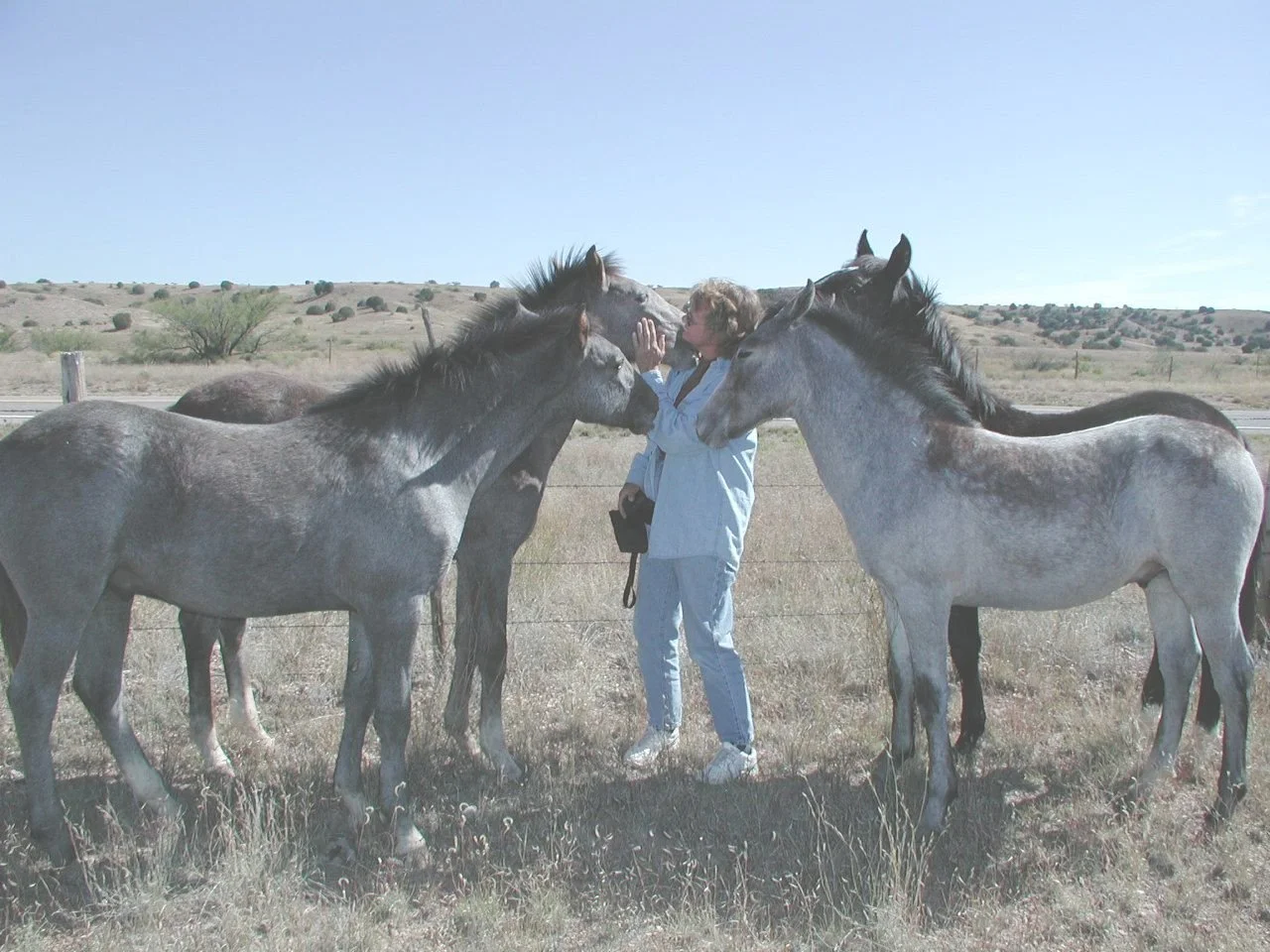
Our strategy to assist the remaining breedable mares and stallions involves a collaborative approach. A coordinated program is established through partnerships among owners, veterinarians, reproductive specialists, and other relevant stakeholders. We are also collaborating with the USDA to store irreplaceable embryos, oocytes, and sperm from our last remaining horses.
This plan encompasses the following key elements:
Prioritize mares and stallions.
Select breeding method per pairing.
Execute breedings in collaboration with the team for individual mares.
We rely on donors to support a specific mare and fund an essential project focused on mare care and breeding. If you'd like to help, you can sponsor a particular mare and her breeding program. Donors assist our team—including mare owners, reproduction specialists, and veterinarians—in covering the costs necessary for successful and healthy foal births.
Below is the list of mares we have identified as priorities to meet our breeding objectives.
The mares chosen are first- or second-generation descendants of the Wilbur Ranch in Arivaca, Arizona. To maximize the chances of preserving the Wilbur-Cruce genetic line, they must be bred this year without delay.
Additionally, all are candidates for embryo transfer and cryopreservation, which offers an effective means to secure their genetic contribution to future generations and minimize the risk of irreversible loss. Your support now will fund veterinary procedures, reproductive management logistics, and the technologies needed to ensure a successful outcome.
Meet the Mares
-
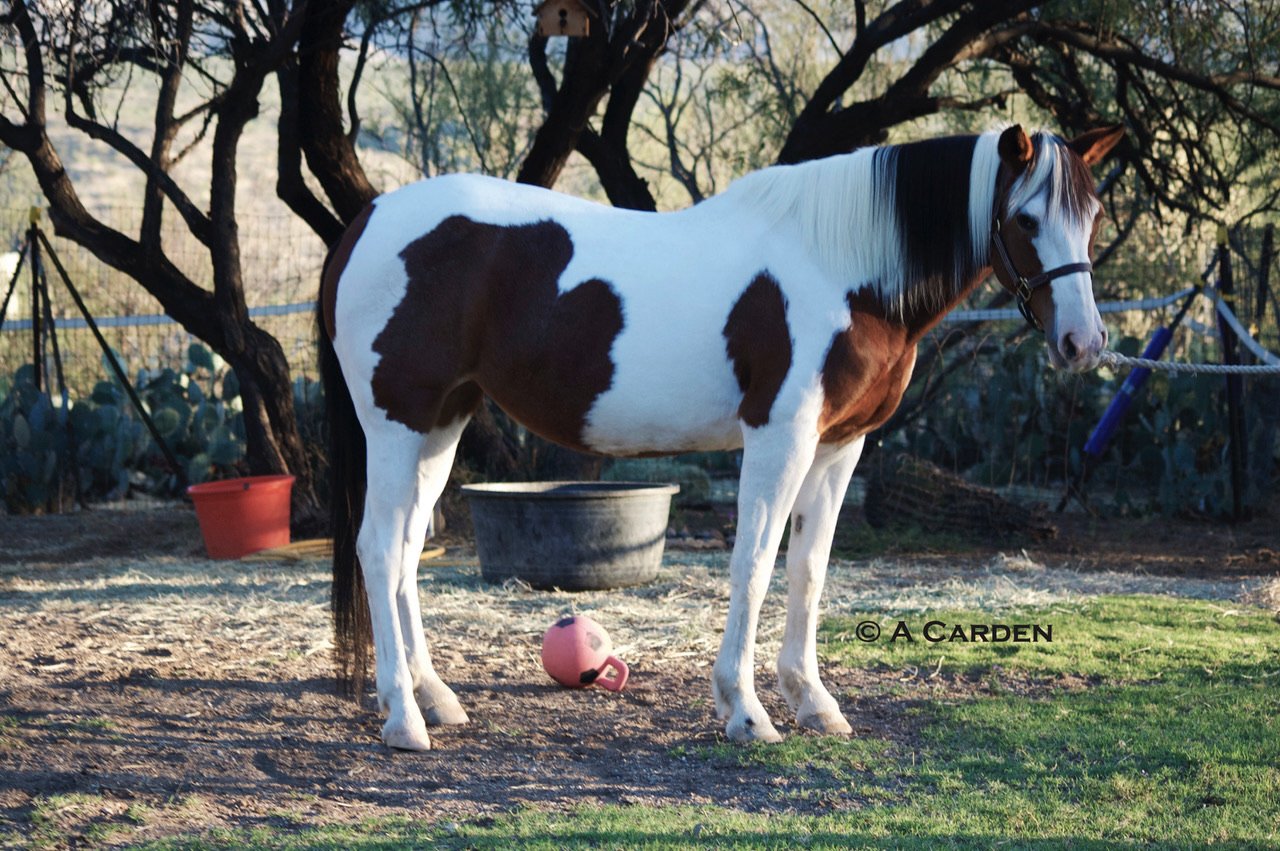
![A pinto horse with brown and white patches standing outdoors on a dirt and grass area, tied to a tree with a blue rope. In the background, there are trees and a garden fence.]()
Miranda De Dragoon
2004, Miranda De Dragoon, Wilbur-Cruce Colonial Spanish Horse.
Reg # G474
Padre x Sabana Seca (Sombra).
Miranda carries a rare and irreplaceable piece of the Wilbur Cruce legacy. Bred by the Dixons, one of the founding families who adopted the herd from the Wilbur Cruce Ranch, she is now owned by Beth Mendivil of Tucson, AZ. Miranda is one of the few remaining Tobiano mares from this lineage. Her sire, Padre, was a pivotal stallion captured on the Wilbur-Cruce Ranch, and her dam, Sabana Seca, was born wild on the ranch as a tiny foal—making Miranda a first generation to the original bloodlines.
-
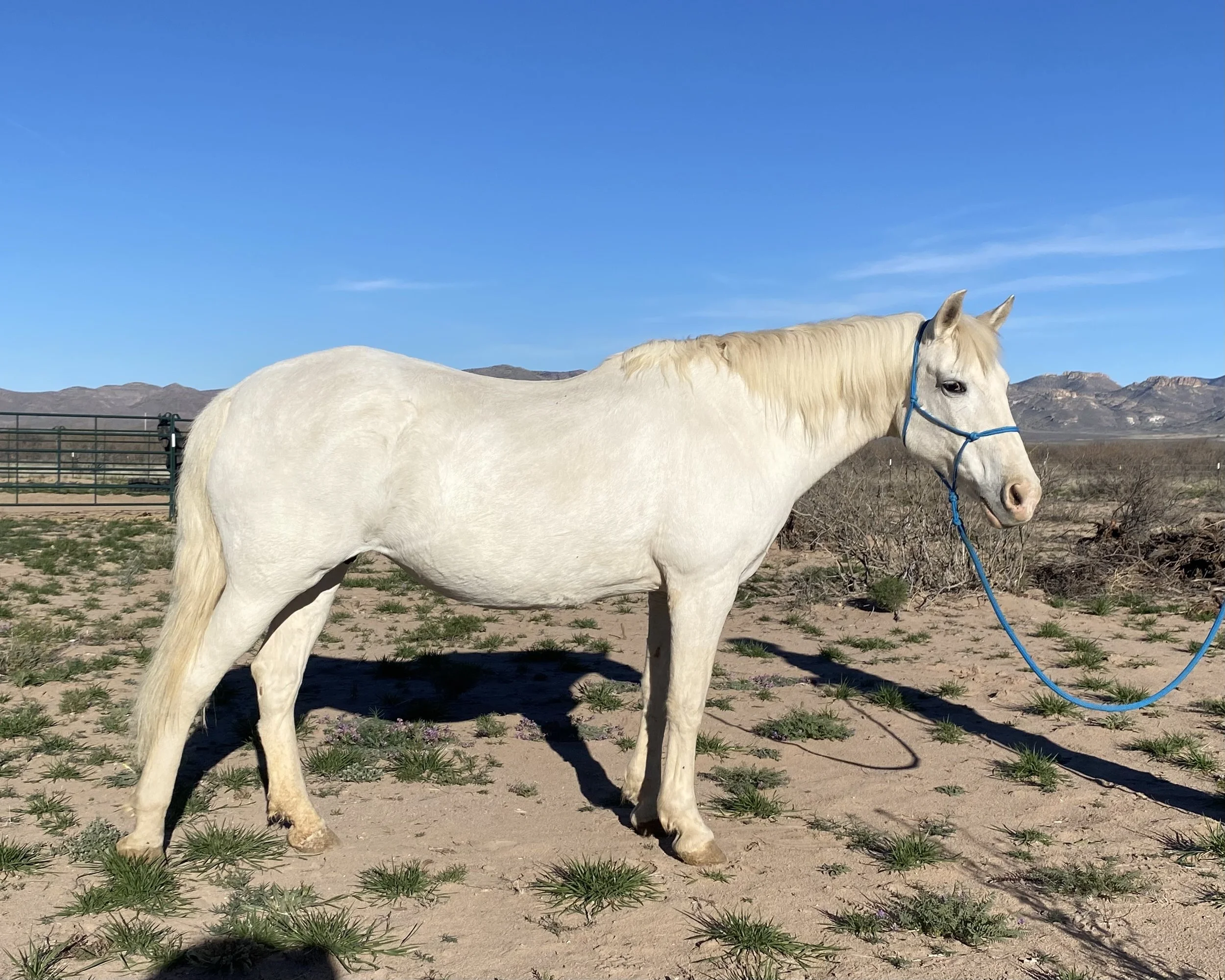
![A white horse with a blue halter standing on sandy ground with patches of grass, mountains under a clear blue sky in the background.]()
Sofia
2003, Sofia , Wilbur-Cruce Colonial Spanish Horse
Reg # WC 108
Padre #12 x Sombra
Sofia was bred by the Dixons; her dam was Sombra, who was also the dam of Sabana Seca, and Sabana Seca was there with her when they were caught on the Wilbur Cruce ranch.Sofia is one of only two living direct descendants of the original WC ranch horses — a rare bloodline that can’t be replaced. As a first-generation offspring of the ranch, her genetics are irreplaceable. She produced a healthy foal in 2025, proving she is capable of contributing again to this vital lineage in 2026.
-
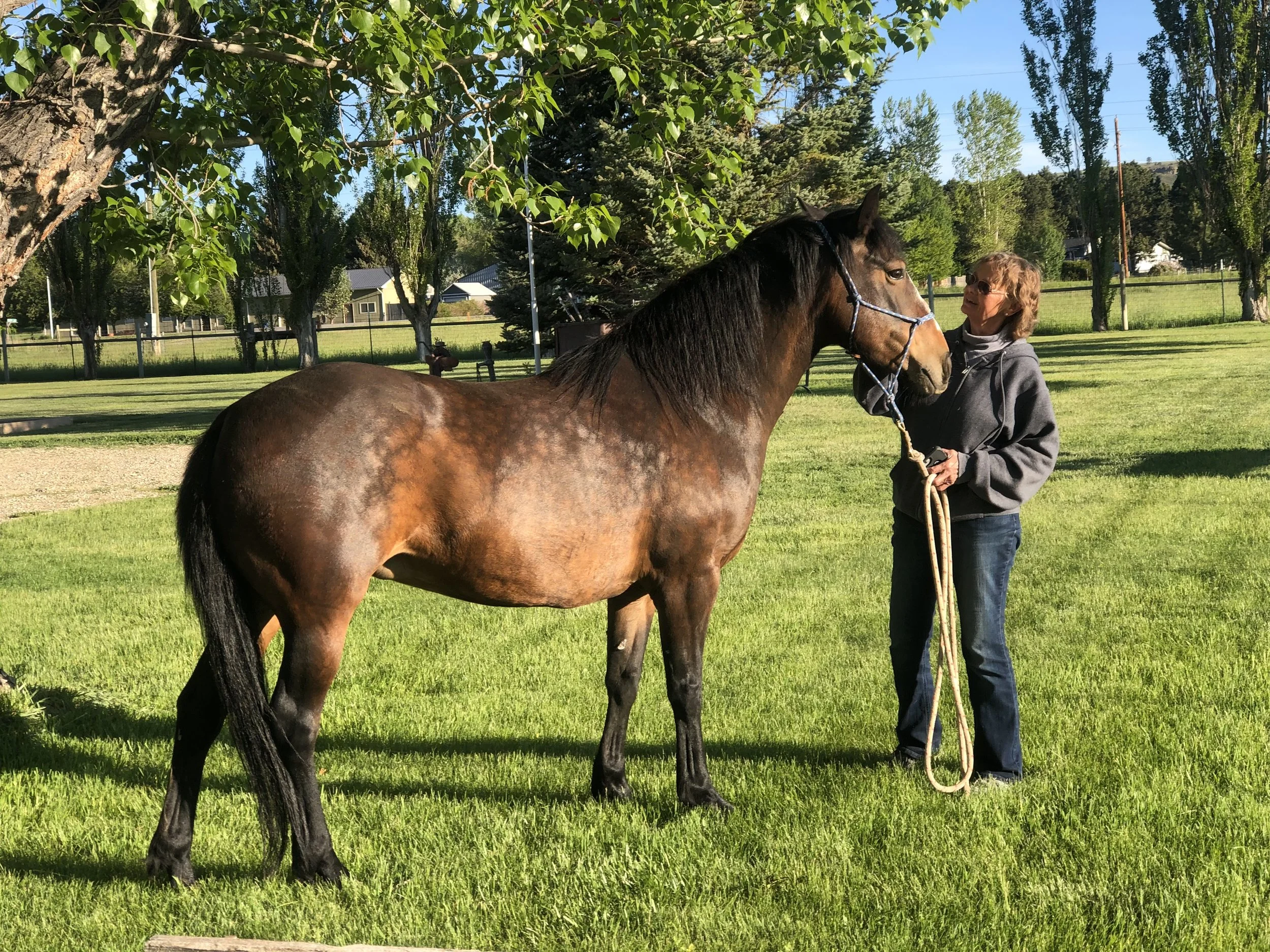
![A woman with sunglasses and a gray hoodie stands next to a brown horse with a black mane, touching its face in a green park on a sunny day with trees and houses in the background.]()
Mirabella Cruce
2007, Mirabella Cruce, Wilbur-Cruce/old SBBA line cross.
Reg # P155,
Rivendales Wildfire x Alondra
Mirabella represents a rare and urgent opportunity to preserve valuable Spanish-Barb heritage. She descends from Wilbur Cruce and historic SBBA bloodlines that appear in only a handful of horses—bloodlines that connect directly to the notable Spanish Barb Rawhide/Scarface lineage. Her conformation exemplifies the ideal Spanish Barb and the type sought for Wilbur Cruce mission horses, and her calm, reliable temperament makes her both a valuable breeder and a living ambassador for the breed.
Bred by Kay Hughes of Nebraska, a founding breeder in the program, Mirabella spent her first 14 years living semi‑wild on Kaye’s ranch. We selected her for the Mare Initiative specifically to protect these scarce genetics and to produce well‑typed offspring that will help secure the future of the line.
-
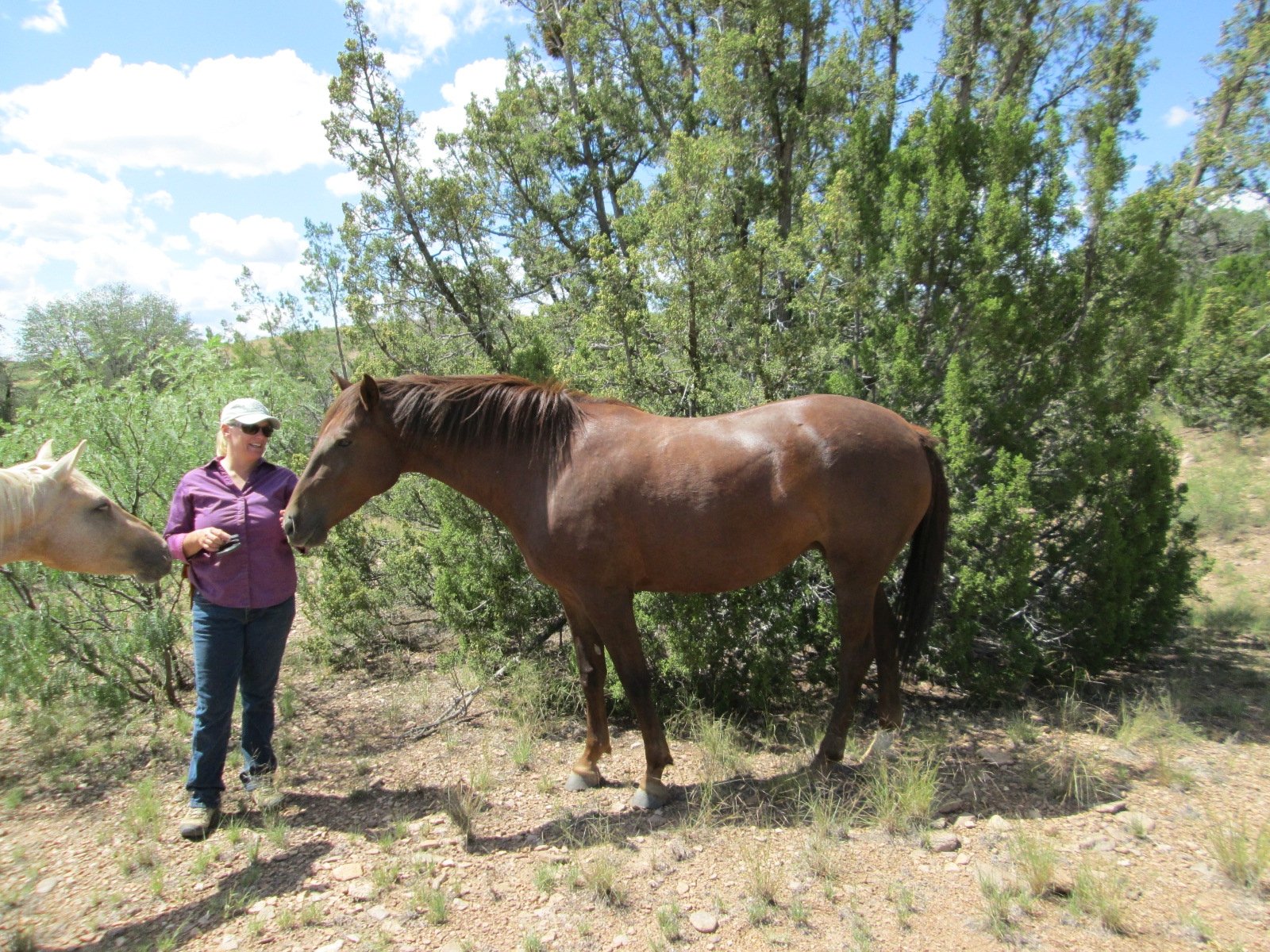
![]()
Serrita Cruce
2009, Wilbur-Cruce Colonial Spanish Horse
Reg # P156 WC169
Cruise Control x Serrana De Arivaca
Serrita descends from the foundation bloodlines Cruce Control and Serrana. Cruce Control, a wild-caught foundation stallion, is regarded as closest to the ideal Spanish type in conformation and movement. Serrana (by Geronimo out of Billie’s Magdalena) and Cruce Control have reliably produced offspring that retain classic Spanish traits.
Serrita is a compact, gaited Jennet type with good temperament, intelligence, and excellent condition. She is the only living mare by Cruce Control, making her essential to retain and breed this year and to use for embryo collection.
-
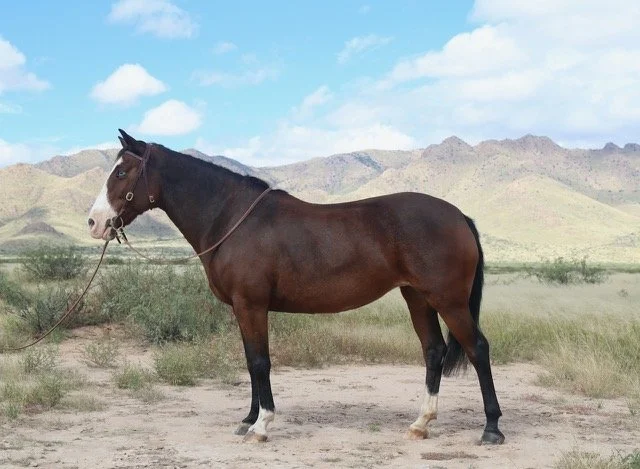
![]()
Francesca De Mogollon
2009, Wilbur-Cruce Colonial Spanish Horse
Reg # G-525 WC153
El Corazón De Mogollón x Cobrecita
“Franny,” from El Corazón de Mogollón (a son of Francisco), is a rare Carthusian/warhorse type now uncommon in the Wilbur-Cruce lines. Her dam, Cobrecita, traces to Wilbur-Cruce foundations Padre Kino and Missy Bayo.
This blend of bloodlines restores the robust Carthusian and Barb characteristics largely absent from the remaining breedable Wilbur-Cruce lines, preserving vital hardiness, conformation, and genetic diversity that donors can help safeguard.
Francesca has attained the permanent division status in the SBHA Registry, the most prestigious division honoring horses that have most closely adhered to the breed standard for excellent conformation and type.
-
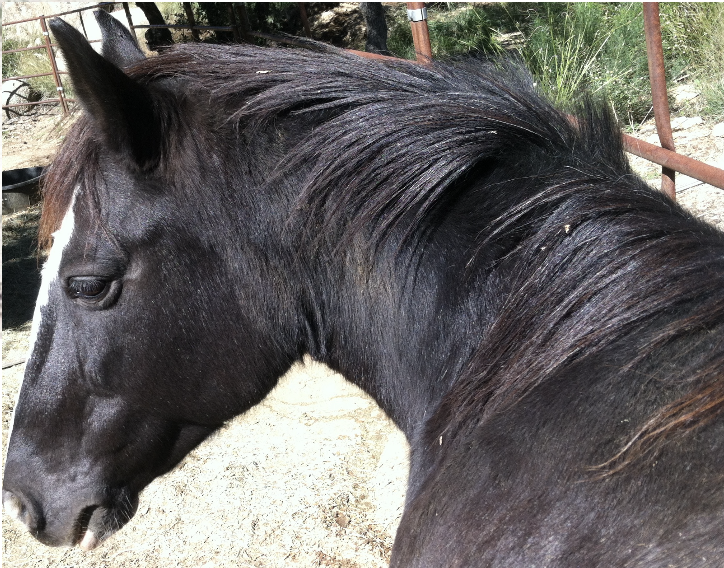
![]()
Luisa de Mogollon
2009, Luisa de Mogollon, Wilbur-Cruce Colonial Spanish Horse
Reg # P159/WC155
Flying Eagle x LozanLuisa was born and raised for the first 12 years of her life at the Jackson ranch, where she lived with a large herd of mares on the range.
Luisa has been trained and is a great trail and ranch horse. She is naturally very cowy and demonstrates her ability to adapt even at an older age, making her a notable older mare.
-
![]()
La Reina De La Cruce
2002 La Reina de la Cruce, Wilbur-Cruce Colonial Spanish Horse
Reg # P143 WC81
Santiago x Pilar Wilbur
La Reina is out of Santiago, a Wilbur-Cruce foundation stallion, and Pilar, a second-generation foundation mare out of Lida and Myers’ Blue Cruce. La Reina is the mother of the registered Wilbur Cruce stallion Diamond Sundance. Both of her foals have been of exceptional quality. At 24, she is still in excellent health and is a great embryo transfer candidate.
“The varied DNA that created such a fine working horse could prove useful for future generations. They can do a range of activities, unlike modern lines that are bred for one purpose, such as racing or jumping. Wilbur-Cruces were always used for plowing, draft, livestock and transport.”
—Equine geneticist Dr. D. Phillip Sponenberg