
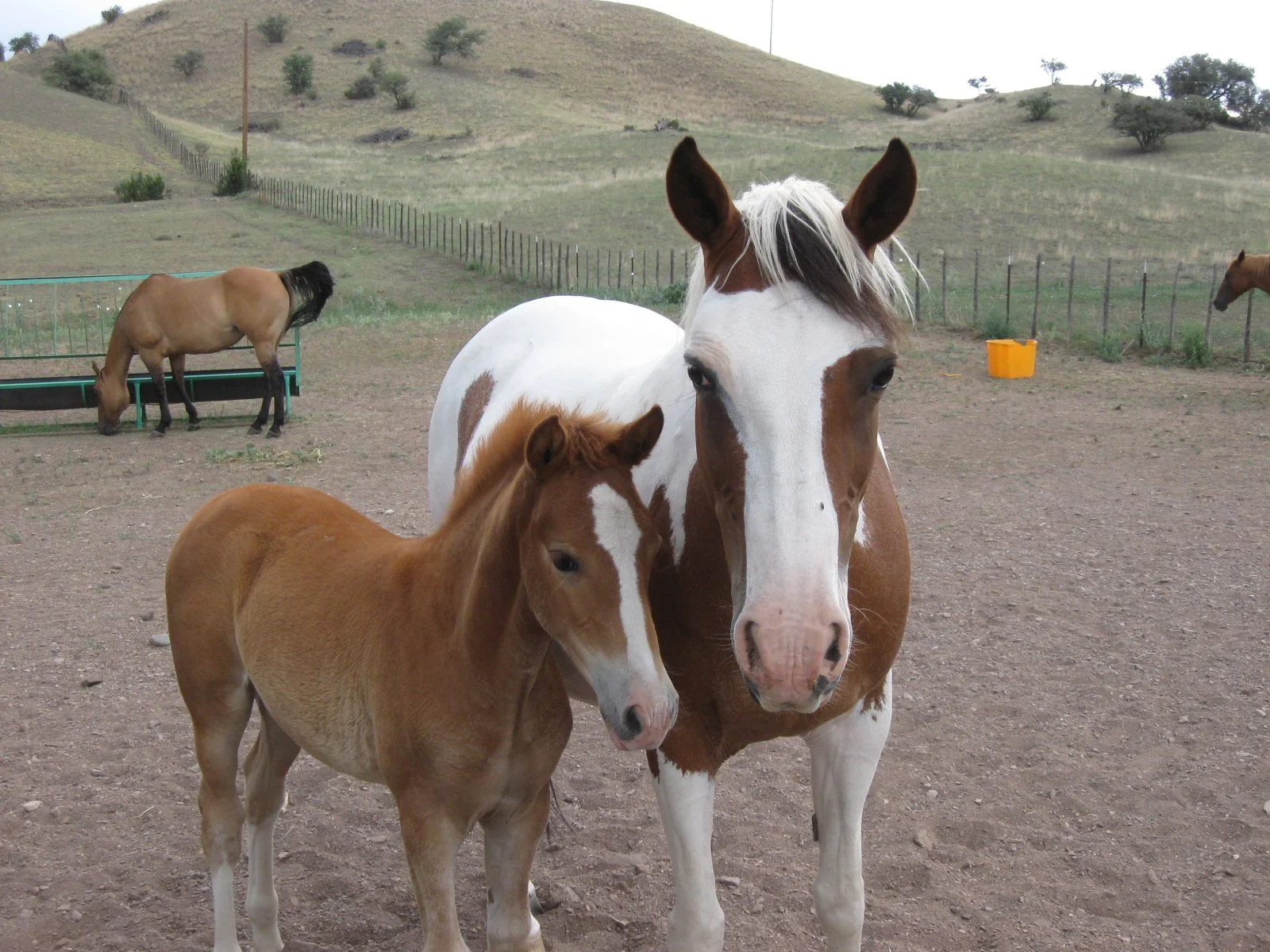
Call to Action
This targeted, expert-driven campaign gives the SBHA- SOS the best chance to retain essential bloodlines and safeguard the breed’s future.
Our first priority is to:
Mobilize the breeding specialists, veterinarians, and experienced horse people immediately to begin evaluations and prioritization.
Allocate resources to the highest-priority mares now to preserve the Wilbur Cruce’s remaining genetic legacy before it’s too late.
You can view the list of priority mares on our mare page.
Campaign Approach
1. Assemble an expert team.
Convene breeding specialists, reproductive veterinarians, geneticists (where available), experienced handlers and mare caretakers.
Establish communication protocols, record-keeping standards and timelines.
2. Evaluate mare viability and genetic value
Perform full reproductive exams (ultrasound, uterine culture/biopsy as indicated, hormone profiling).
Assess overall health and fitness for pregnancy (body condition, dental, parasite control, vaccination status).
Review pedigrees and any available genetic testing to identify mares carrying rare or high-value alleles or unique ancestral links.
3. Prioritize mares.
Rank mares by urgency (age, reproductive history, health risks) and genetic importance.
Create a short list of highest-priority mares to receive immediate intervention and breeding resources.
4. Match mares to stallions.
For each prioritized mare, evaluate compatibility with available stallions considering:
Genetic complementarity (to maximize diversity and avoid inbreeding).
Conformation, temperament and performance traits desirable for the breed’s future.
Reproductive history and semen quality of each stallion.
Produce recommended pairings with rationale and contingency options.
5. Select breeding method per pairing.
Determine the optimal method for each mare: natural cover, monitored live cover, fresh-cooled semen, or embryo transfer with timing controlled by ovulation induction and timed insemination.
For older or marginal mares, prioritize methods that offer the highest conception rates (e.g., synchronized ovulation plus fresh-cooled or embryo transfer and/or embryo freezing with careful monitoring).
Prepare protocols for assisted reproductive techniques when indicated (e.g., uterine lavage, oxytocin protocols, or embryo transfer if mare safety is a concern).
6. Execute breedings in collaboration with specialists
Coordinate breeding windows, transport logistics (if needed), and on-site veterinary support.
Maintain strict records of breeding dates, semen sources/quality, medications, and monitoring results.
Provide post-breeding care: pregnancy checks, nutrition plans, and management for older broodmares.
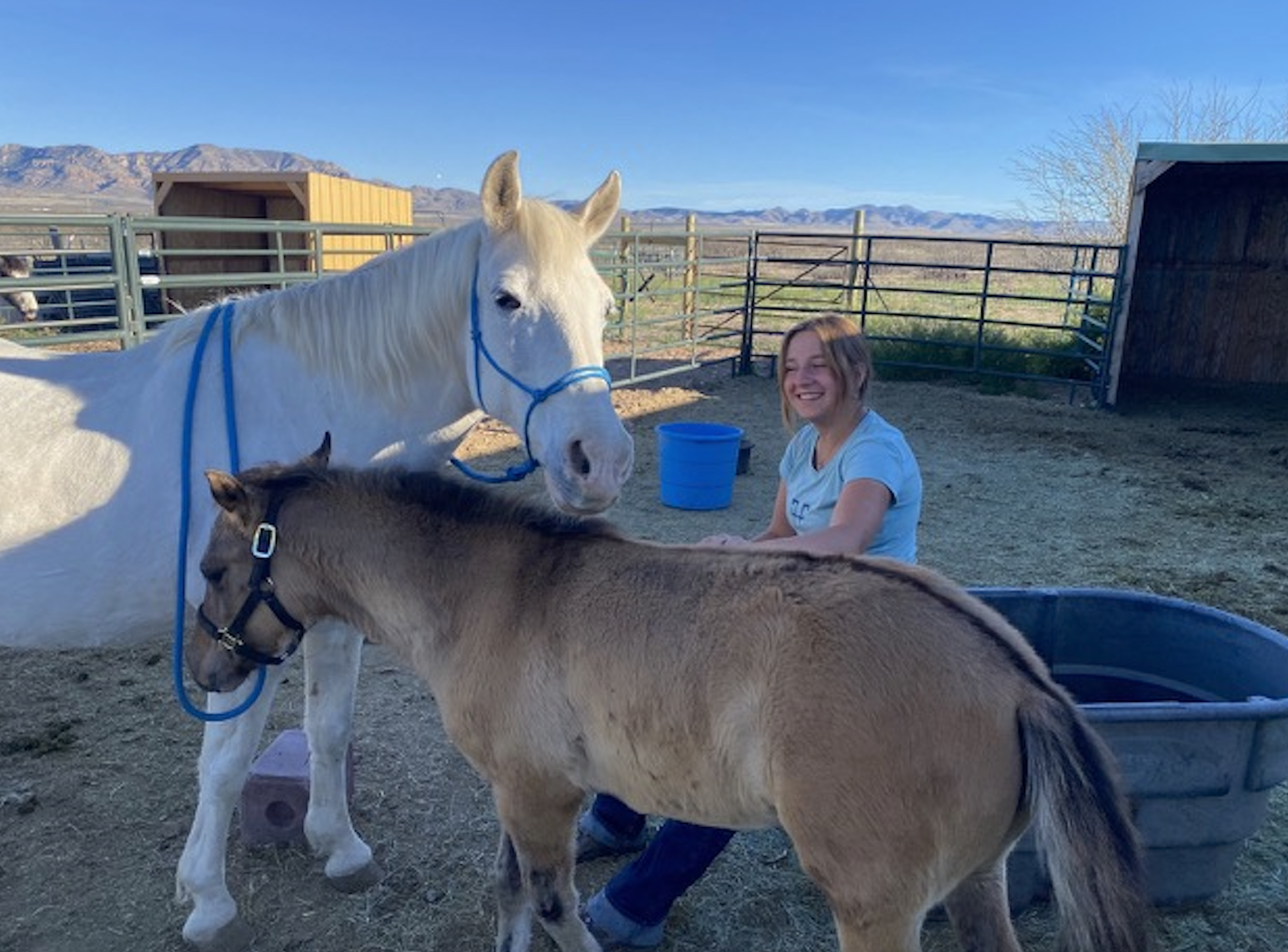
Five-Year Goal: Beyond Immediate Needs.
In spring 2026, our goal is to breed six high‑priority mares whose genetics are critical to preserve. By the end of summer we will breed four additional mares, targeting a total of ten foals to be born in 2026–2027. At the same time, we will collect enough frozen embryos to safeguard these rare genetics for the next five years.
The campaign will prioritize animals at highest risk.
Over the next five years, our objective is to increase the population to 150 individuals. After reaching that milestone, we will evaluate the population status and, if needed, initiate an additional targeted conservation effort.
Implementation will follow a structured, phased approach that balances clear roles, measurable milestones, and effective breeding strategies and foal care.
Key components include:
Priority-driven animal selection aims to protect the highest-risk individuals.
A breeding schedule and mare management plan are in place to achieve foaling objectives.
Embryo collection, storage, and genetic management ensure genetic diversity.
Clear roles and responsibilities are assigned to program staff and partners.
Measurable milestones and ongoing monitoring to track progress toward reaching 150 animals.
Foal care protocols and postnatal monitoring are implemented to maximize survival and health.
We will review progress each year and adjust strategies as necessary to ensure genetic preservation and sustainable population growth.
Measures of Success and Risk Management
Track conception rates, early embryonic loss, and live foal rates by mare cohort and breeding method.
Reassess and adapt protocols based on outcomes, aiming to increase successful pregnancies across the campaign.
Implement a collaborative effort among stallion and mare owners to optimize breeding timing for the best conception rates. Incorporate health and biosecurity measures to safeguard mares and stallions during intensive breeding activities.
Establish backup plans for high-priority mares (repeat cycles, alternative stallion choices, or embryo transfer) should initial attempts fail.
Resource needs
Funding for veterinary services, insemination procedures, transportation, and specialized care for older mares.
Access to on-farm or regional facilities capable of timed breeding and reproductive monitoring.
Volunteer and farm support for mare handling, record-keeping, and foaling care.
We know many people lack the capability or facilities to breed these horses, but still want to contribute. You can support by providing financial assistance to one of our campaign's breeding mares during her breeding process.
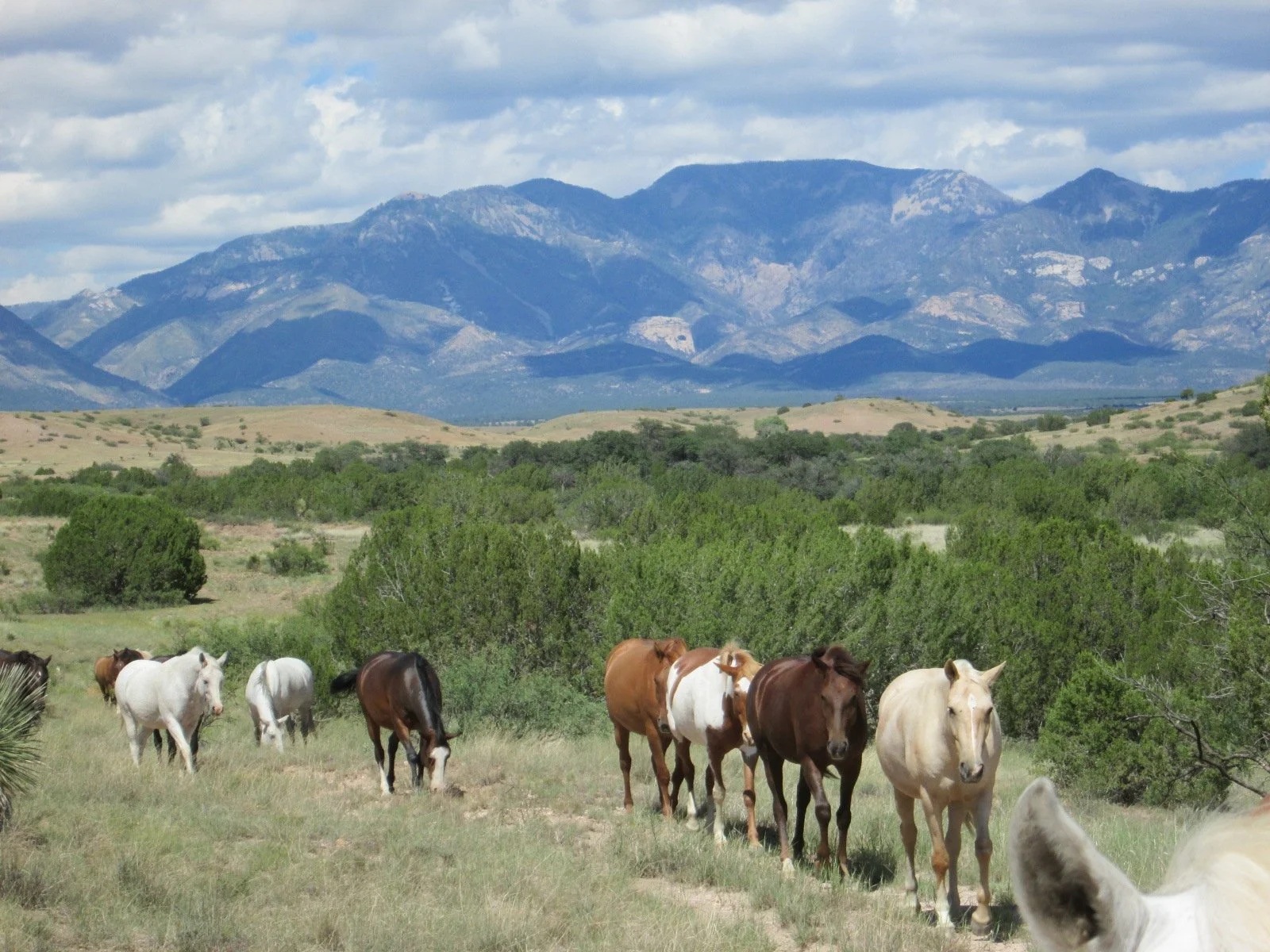
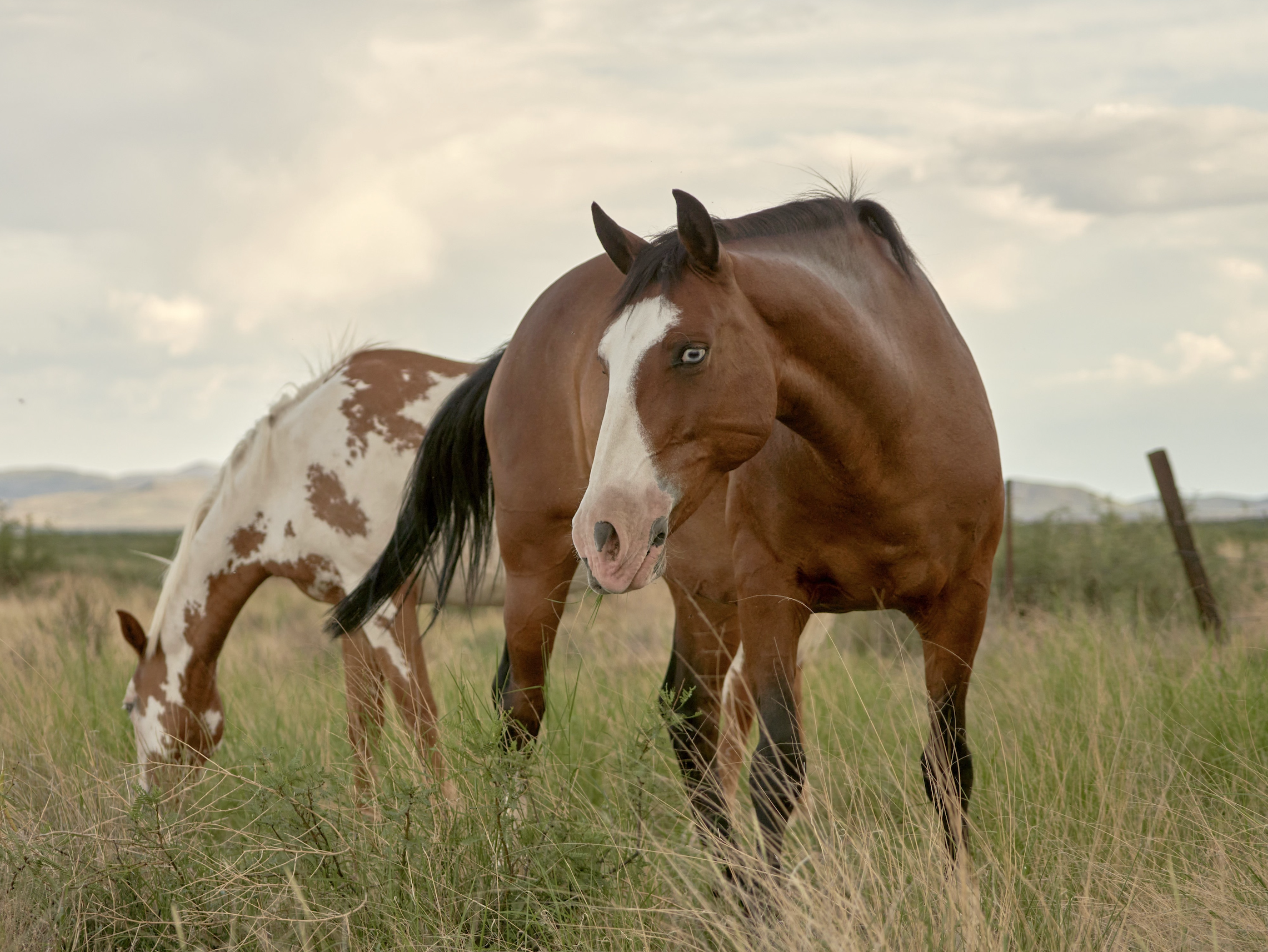
Mares on the Jackson Ranch
Your Role as a Donor.
We depend on donors to become vital members of the team supporting a specific mare, helping with a crucial project that funds individual mares and their breeding. If you'd like to help, you can sponsor a particular mare and her breeding program. Donors assist our team—mare owners, reproduction specialists, and veterinarians—by helping with the costs needed to ensure the birth of healthy foals.
Any contribution will support our cause. You can either click the 'Donate Now' button for general donations or visit the mare page to choose a specific mare to help.
You are essential to the success of the Wilbur-Cruce horse.
How your gift is used
Reproductive veterinary services (diagnostics, ultrasounds, hormone therapy)
Mare care during breeding (boarding, nutrition, medications)
Stallion fees or semen handling/shipping
On-site support from reproduction specialists and technicians
Emergency reproductive care if complications arise
Why this matters
Breeding mares responsibly requires expertise, resources, and timely intervention. There are many costs associated with getting a foal on the ground from conception to foaling. Your contribution increases the chance of successful pregnancies, improves foal and mare welfare, and supports long-term population and genetic goals.
How to sponsor
Visit our mare page and select a specific mare to donate, or contact the Save Our Stallions Program to designate a mare and discuss funding options and intended uses. Donations may be allocated to a specific mare’s breeding costs or to a general fund that supports multiple breeding efforts.
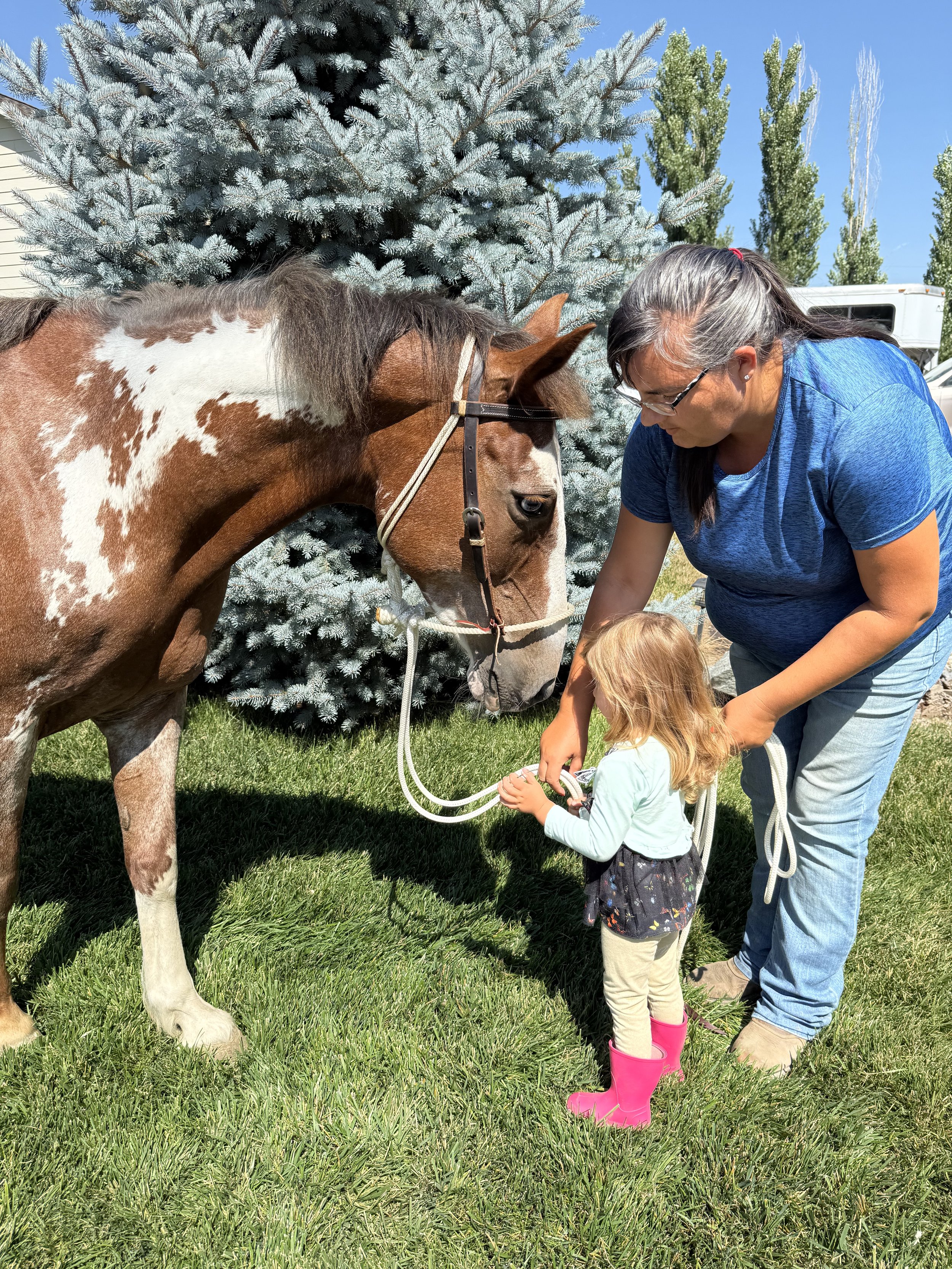
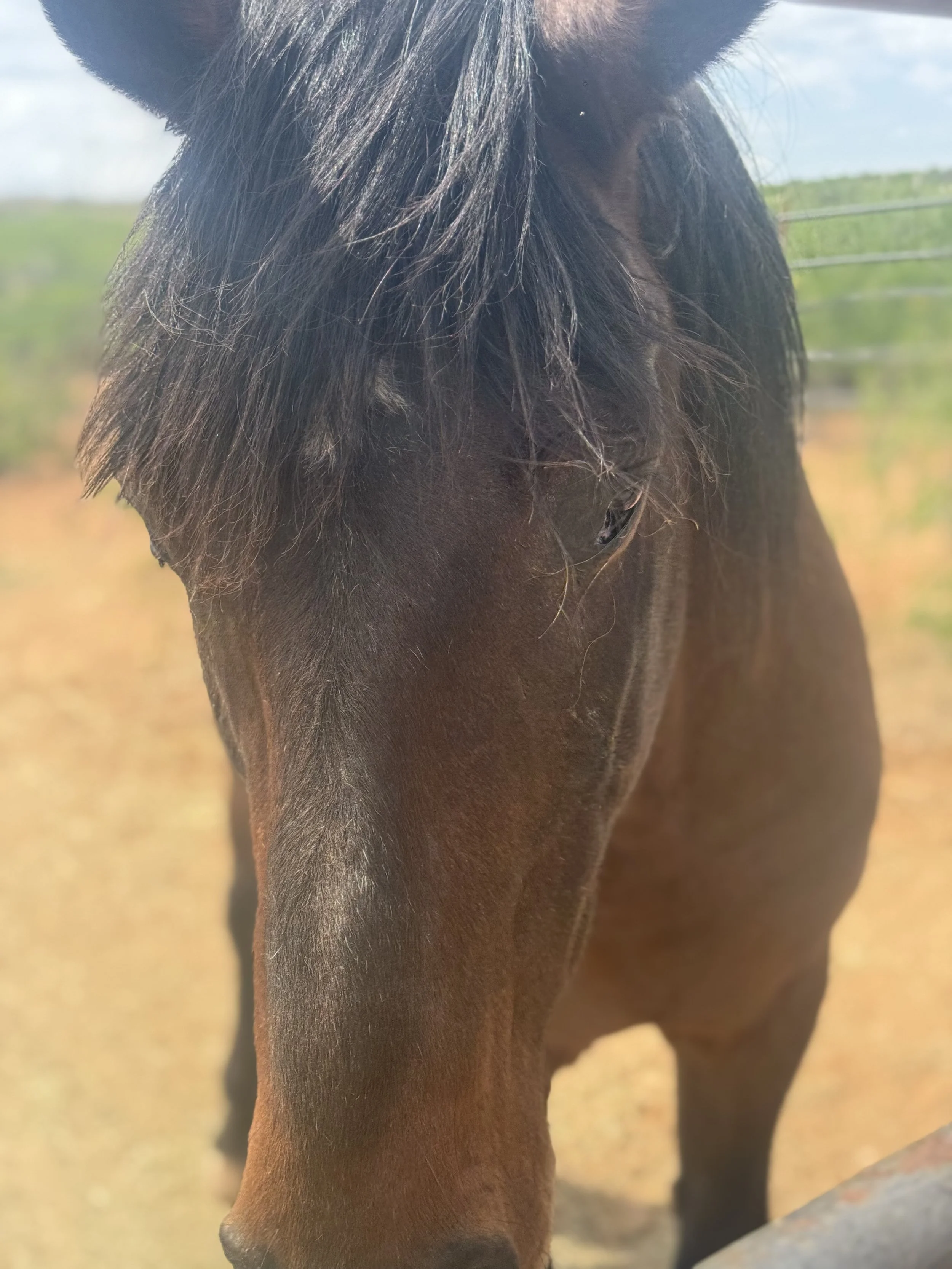
Mariah - Geronimo daughter - First generation mare.
You’ll join our team to get these mares bred.
Your financial support helps cover breeding costs, and in return you become an active participant in the entire process.
What you’ll get:
Regular updates on progress: who’s involved, what’s being done, and how the breeding is going.
Ongoing updates after the mare is confirmed pregnant.
Direct connection when the foal arrives: timely reports and photos.
An invitation to visit the farm to meet the mare and foal in person.
A role in naming the foal.
Thank you for considering a gift that directly supports mare health, responsible breeding, and the future of these horses.Thank you for considering a gift that directly supports mare health, responsible breeding, and the future of these horses.
This is one of the most meaningful gifts you can give these horses. Your contribution lets you become part of a group effort to preserve and pass these genetics to future generations.