
About
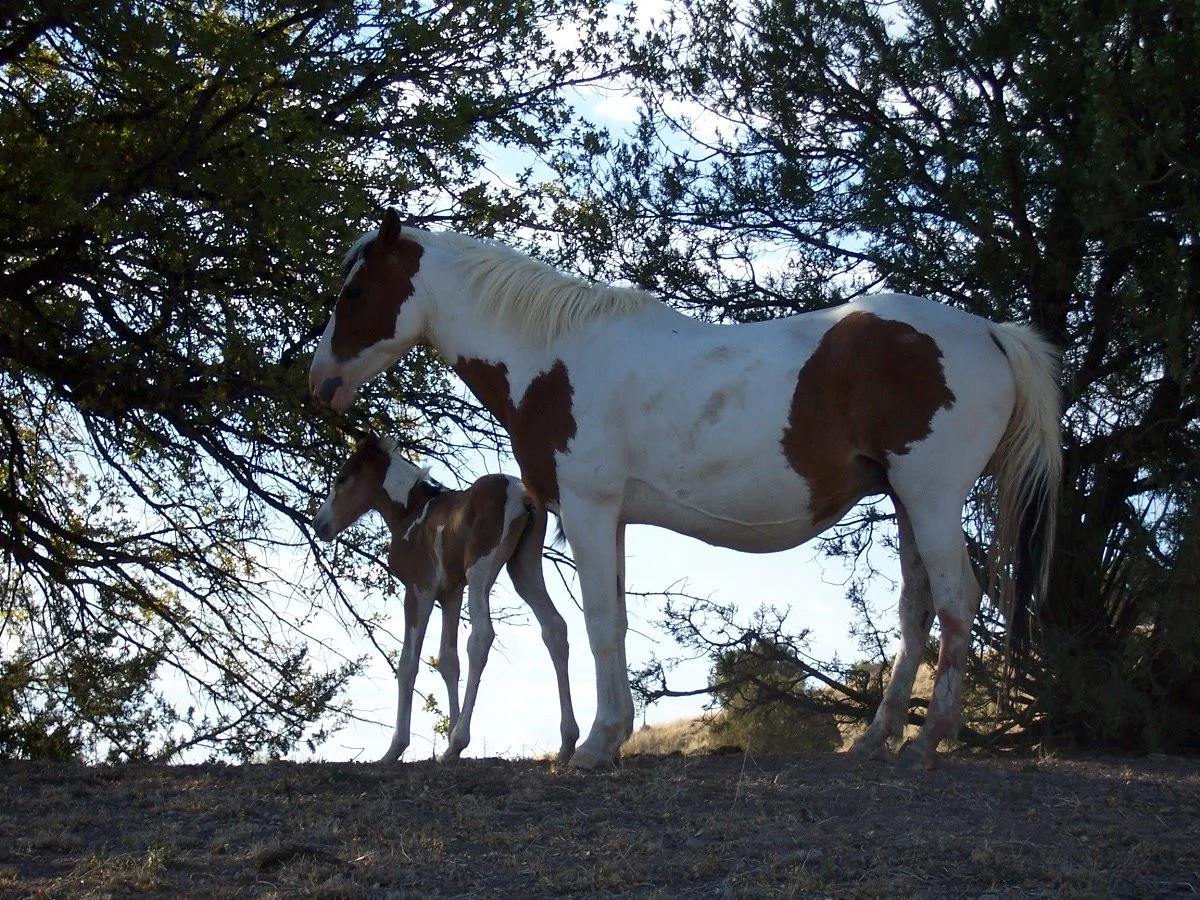
Here’s why the Mission Horse — sometimes called the Wilbur-Cruce Spanish Barb horse in preservation circles - matters.
We need to protect the remaining genetics.
Like many landrace species worldwide, the Wilbur-Cruce Horse in the United States is nearing extinction. Its loss would mean more than the disappearance of a distinct equine type; it would erase living connections to regional history, unique genetics adapted to local environments, and irreplaceable cultural roles.
Foundation stallion,"Big Medicine" with his mares "Magdelena" and "Santa Cruce" 1991, Wilbur Ranch
The Wilbur-Cruce Mission Horses are a critically endangered type of Spanish Barb. Genetic testing has revealed that they are directly descended from the horses of the conquistadors in the 1700s, through horses purchased in the Rancho Delores area of Sonora, Mexico, and brought to an Arizona ranch in 1885. There they were kept in genetic isolation, and today they are the only horses in North America whose Spanish bloodlines have not been mixed with other breeds.
This means they are the only “Rancher Strain” of Spanish Barb horse that still maintains the pure Spanish genetics.
A "Rancher Strain" Spanish Barb refers to specific, isolated lineages of Colonial Spanish horses. Unlike other strains and wild mustangs, which often have mixed bloodlines with escaped ranch horses like Thoroughbreds and Drafts, these particular strains have been kept pure through careful, private stewardship. Bred for the rugged American West, they possess physical and mental traits that make them ideal for endurance, agility, and ranch work.
The disappearance of these horses would mean the irreversible loss of an essential component of equine diversity.
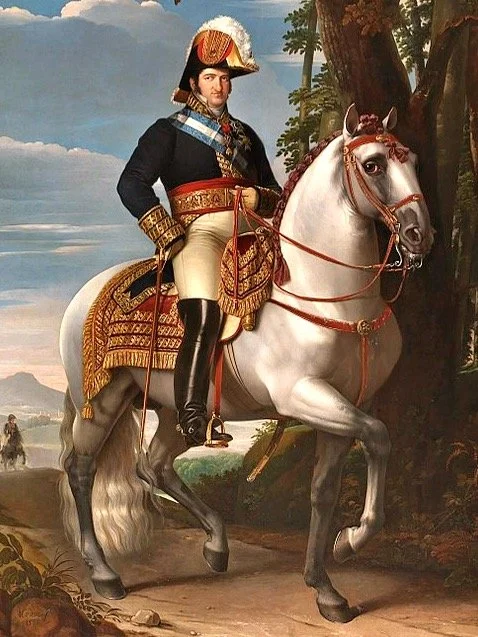
In terms of type, they are considered to be Baroque horses.
The Wilbur-Cruce Mission horses represent the three primary types of Iberian horses:
Carthusian/Villano: Proto-Andalusian; used for war, mounted games, and racing
Jinete/Jennet: Elegant riding horse; smaller type with smooth gaits; frequently gaited
Gallego/Barb: Agile working horse; used for bullfighting and working cattle.
These types are still observable in the Wilbur Cruce horses today and are the sole Spanish Barb horses that still retain these original types. They resemble Spain's ancient horses more closely than current Spanish breeds and lack Arabian or Thoroughbred markers. It is extremely important to preserve them because of their genetic uniqueness.
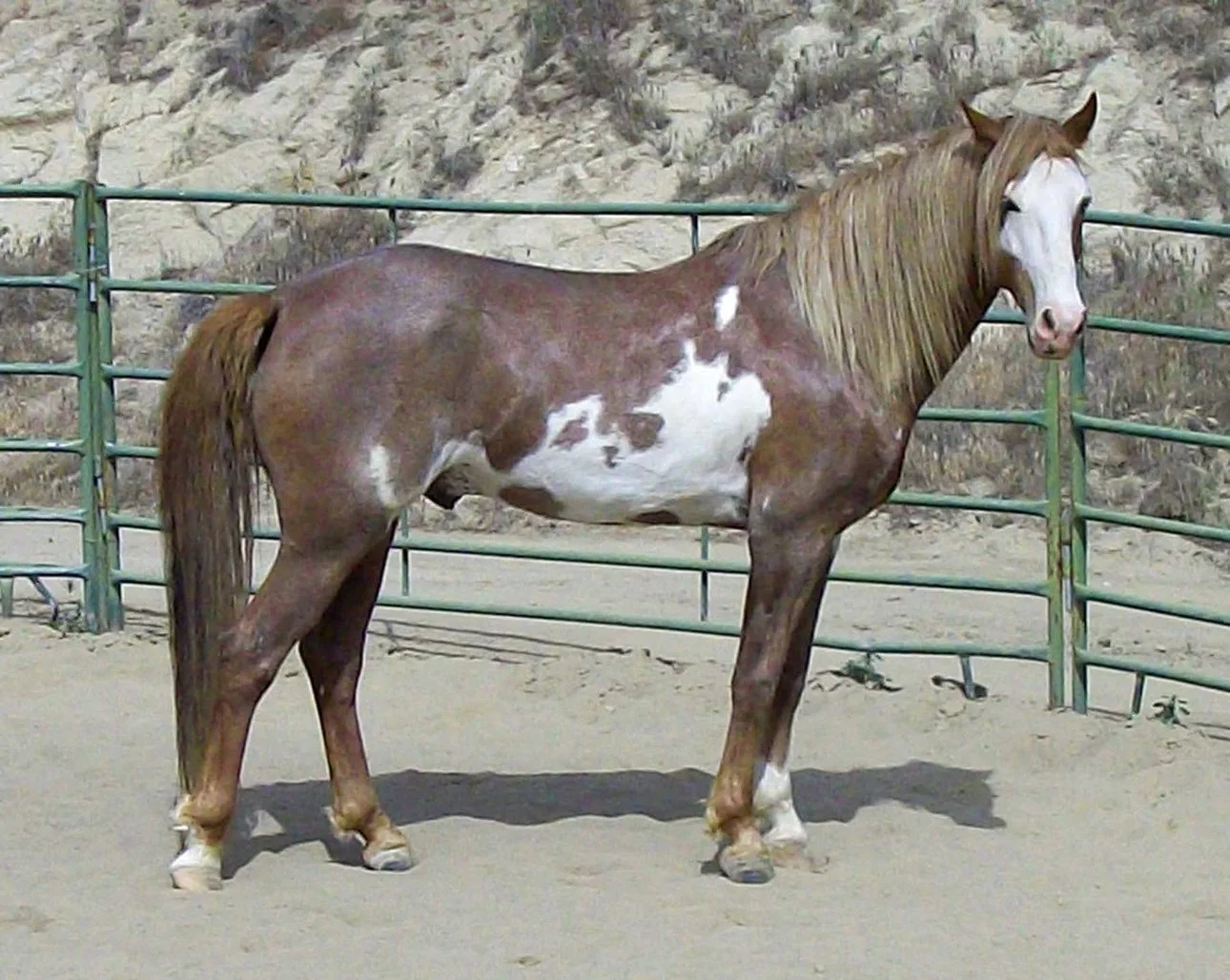
They are more like the original horses of Spain than Spanish breeds today.
These horses were essential to our western colonial development and became the mount of our legendary Vaquero. This distinctive Colonial herd continues to symbolize the horses from Spain's Golden Age. Many modern horse breeds trace their roots back to this type.
There is a lot of variation within the breed, but most have extremely rounded toplines, ram or straight profiles, deep chests, muscular necks, and medium to thick bones. The average height is about 14-15 hands high. They possess very smooth gaits (no doubt because of their Spanish Jennet ancestry), and are very versatile. Observed colors include many variations of grey, bay, black, chestnut, palomino, and many strikingly colored pinto color variations. They bond very strongly with their people.
The Wilbur-Cruce Mission horses are a most significant discovery of a type of horse thought to be gone forever.
Why are the Wilbur Cruce strain of Mission Horses important to the future?
Genetic Diversity and Resilience.
Wilbur-Cruce horses are a landrace, not a standardized breed produced by modern selective breeding.
Over generations, they developed a diverse genetic makeup shaped by local climate, forage, disease pressures, and management practices. That genetic variation can harbor alleles for hardiness, disease resistance, efficient metabolism on poor forage, and other traits valuable for future breeding programs, conservation of equine genetic resources, and adaptation to changing conditions.
Living Historical Legacy.
Cultural identity and community value.
These horses are living artifacts that connect the colonial, missionary, and ranching histories of Mexico and the Southwestern US to current regional working traditions. They are not feral but considered Colonial Spanish Horses, “ranch-bred,” and represent a type of horse now extinct even in Spain. Unlike other strains and wild mustangs, which often have mixed bloodlines with escaped ranch horses like Thoroughbreds and Drafts, these particular strains have been kept pure through careful, private stewardship.
Protecting them maintains direct links to the original genetic material from Spain that supports communities’ agricultural and social pasts. Often central to local identity—seen in ceremonies, parades, ranch demonstrations, and educational programs—their loss would diminish cultural richness and eliminate a tangible way to teach regional customs and animal stewardship.
Functional Traits Suited to Place.
Generations of Survival of the Fittest…
“The Wilbur-Cruces are quick learners and eager to please. They are loyal to their human partners—the closest thing to working dogs. They don’t alarm livestock and react calmly to ropes swung over them. They’re reliable and always on call. Although on the smaller side—measuring on average 14 hands, or 56 inches, high—they are extremely hardy.”
Over the centuries, “Rancher Strains” like the Wilbur-Cruce were bred for the rugged American West. They possess physical and mental traits that make them ideal for endurance, agility, and ranch work.
These are practical traits, suited to their environment: sure-footedness on rough terrain, stamina for extended workdays, a calm temperament for close human partnerships, and efficiency as foragers that help them survive on limited pastures. These qualities are becoming increasingly important for small-scale farmers, sustainable ranching, and equine genetic preservation. But most importantly, the Wilbur-Cruce develop strong bonds with their humans. This bond creates a tremendous partnership and is unique to the Wilbur-Cruce.
Wilbur-Cruce horses possess remarkable stamina. Ranchers have reported that while their Quarter Horses—the breed most commonly found on ranches—require recovery after a strenuous day, Wilbur-Cruce Horse is ready for work again by morning.
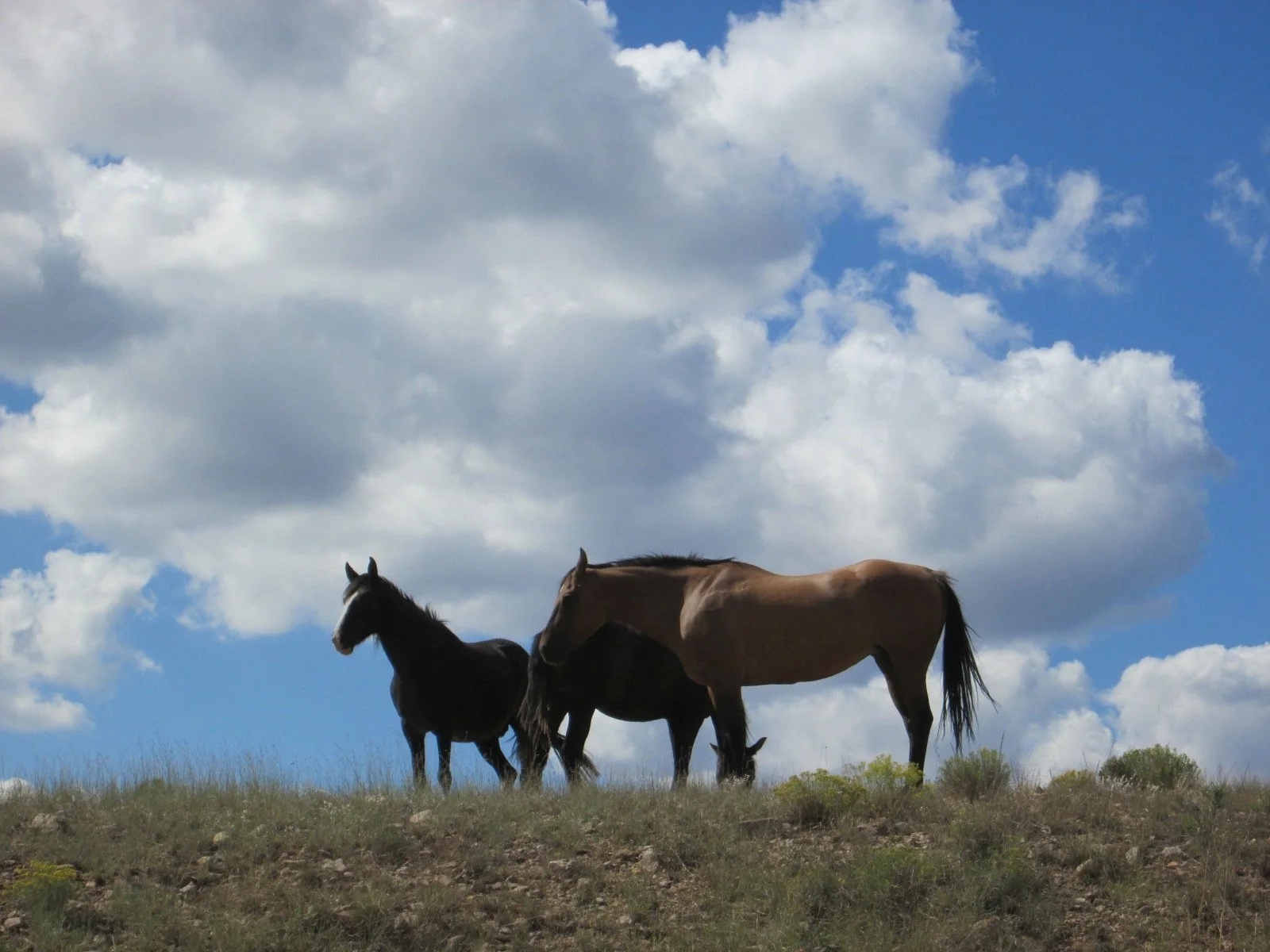
“The Cruce horses are one of a handful of strains of horses derived from Spanish Colonial days that persist as purely (or as nearly as can be determined) Spanish to the present day. They are the only domesticated ‘rancher’ strain of horses that persists in the Southwest.”
—Equine geneticist Dr. D. Phillip Sponenberg
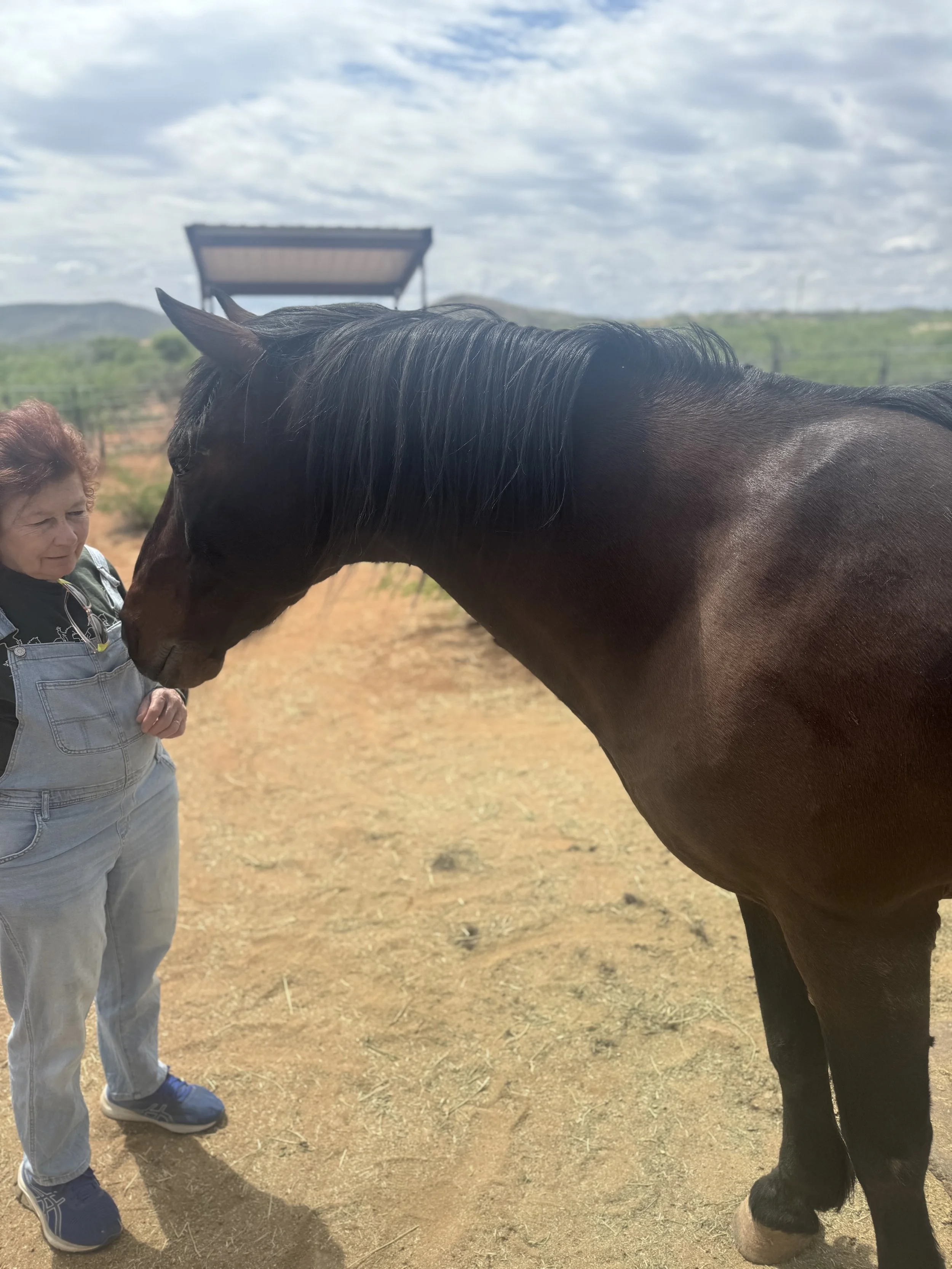
Wilbur Cruce stallion Coccocito and his owner, Louise Novak.