
Protecting the Colonial Mission Horse for Future Generations...
The Colonial Spanish Mission Horse is on the brink of extinction.
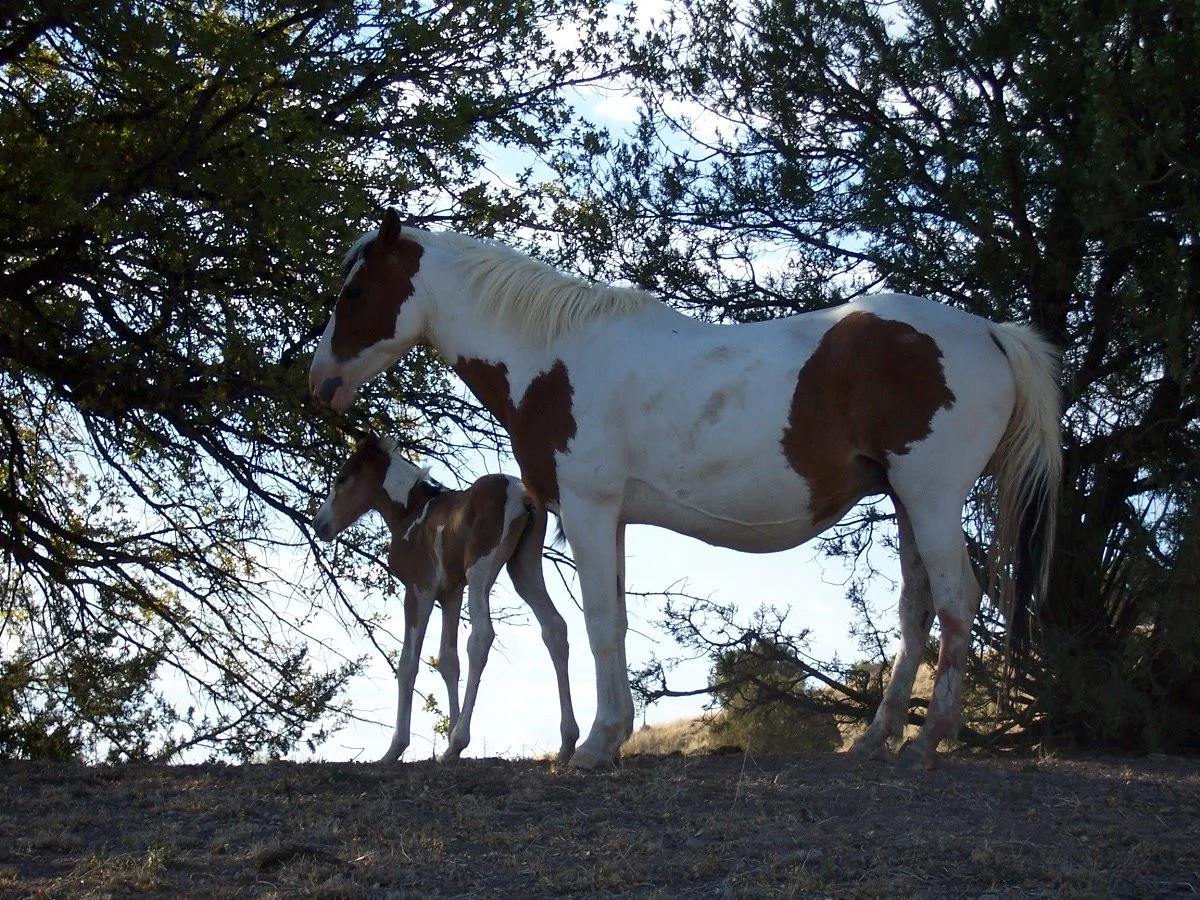
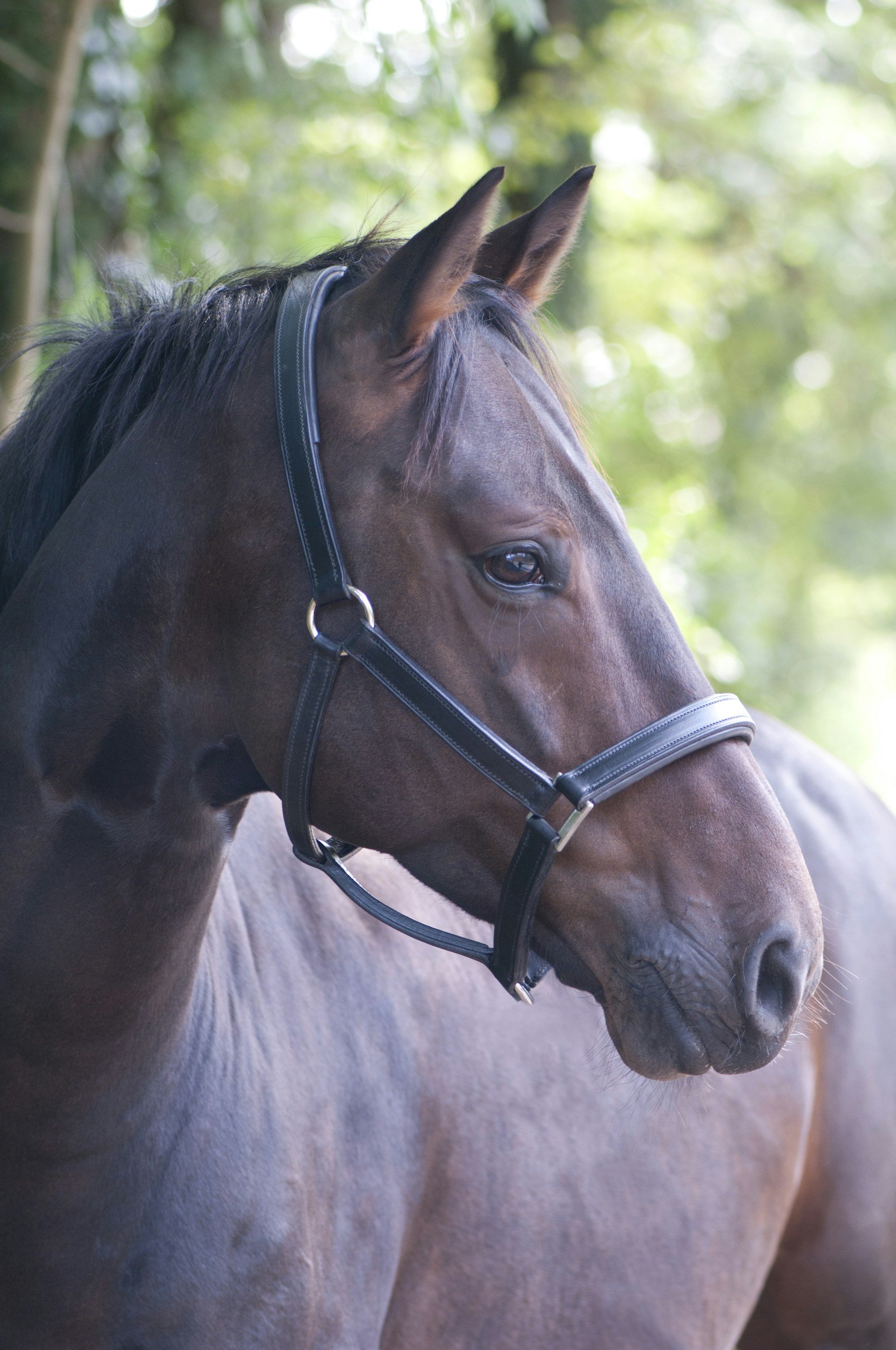
A Colonial Spanish Mission horse of the Wilbur‑Cruce strain is a rare, historically important equine descended from the Spanish horses brought to the Americas in the 1500s. Concentrated in the Southwest and tied to mission ranching, these compact horses—generally around 14 hands—are versatile, intelligent, and were indispensable to early colonial farming and ranch work. Like many traditional landrace breeds globally, the mission horse in the U.S. faces imminent extinction. Losing these vital genetic resources at a time when biodiversity is rapidly declining will hamper our understanding of how the earliest horse genetics in North America influence the future. Its loss would do more than eliminate a unique horse type: it would break living connections to regional history, discard distinct genetics molded by local environments, and erase cultural practices centered around this animal.
"The need to conserve this herd is great, since they represent a unique genetic resource. The Food and Agriculture Organization of the United Nations has limited their interest in rare breed conservation to those breeds that have no Arabian or Thoroughbred influence, because of the incredible scarcity of such populations worldwide. The Wilbur-Cruce horses fit in this category very securely and are therefore of great interest and importance not only in North America, but also in the worldwide efforts to conserve genetically unique populations of livestock".
“The Wilbur-Cruce population is a most significant discovery of a type of horse largely thought to be gone forever."
Dr. Phil Sponenberg, D.V.M.
Our five year goal to prevent Extinction.
The SOS Mare Initiative campaign seeks to prevent extinction and preserve vital equine genetics. The Wilbur Cruce lineage currently numbers 100 individuals; 19 mares face reproductive risk and only 4 stallions remain viable. This spring, we will breed 6 mares and plan to breed 4 more at the end of summer, aiming for 10 foals to be born in 2026–2027 and to collect sufficient frozen embryos to support the rare genetics for the next five years. The campaign gives priority to the animals at greatest risk.
Over the next five years, our objective is to grow the population to 150 individuals, then reassess and, if necessary, initiate a further targeted conservation campaign.
We will do this through a structured, phased approach that balances clear roles, measurable milestones, and effective breeding strategies and foal care.
We need to research with Dr. Cothram this: WC DNA holds the entire equus tree down to Caspian, but not sure if this is true. And I remember that all other horses need this WC infusion because of their serious in-line breeding, but I'm not sure if this is true. genetic analysis of WC horses from Dr. Cothrum.
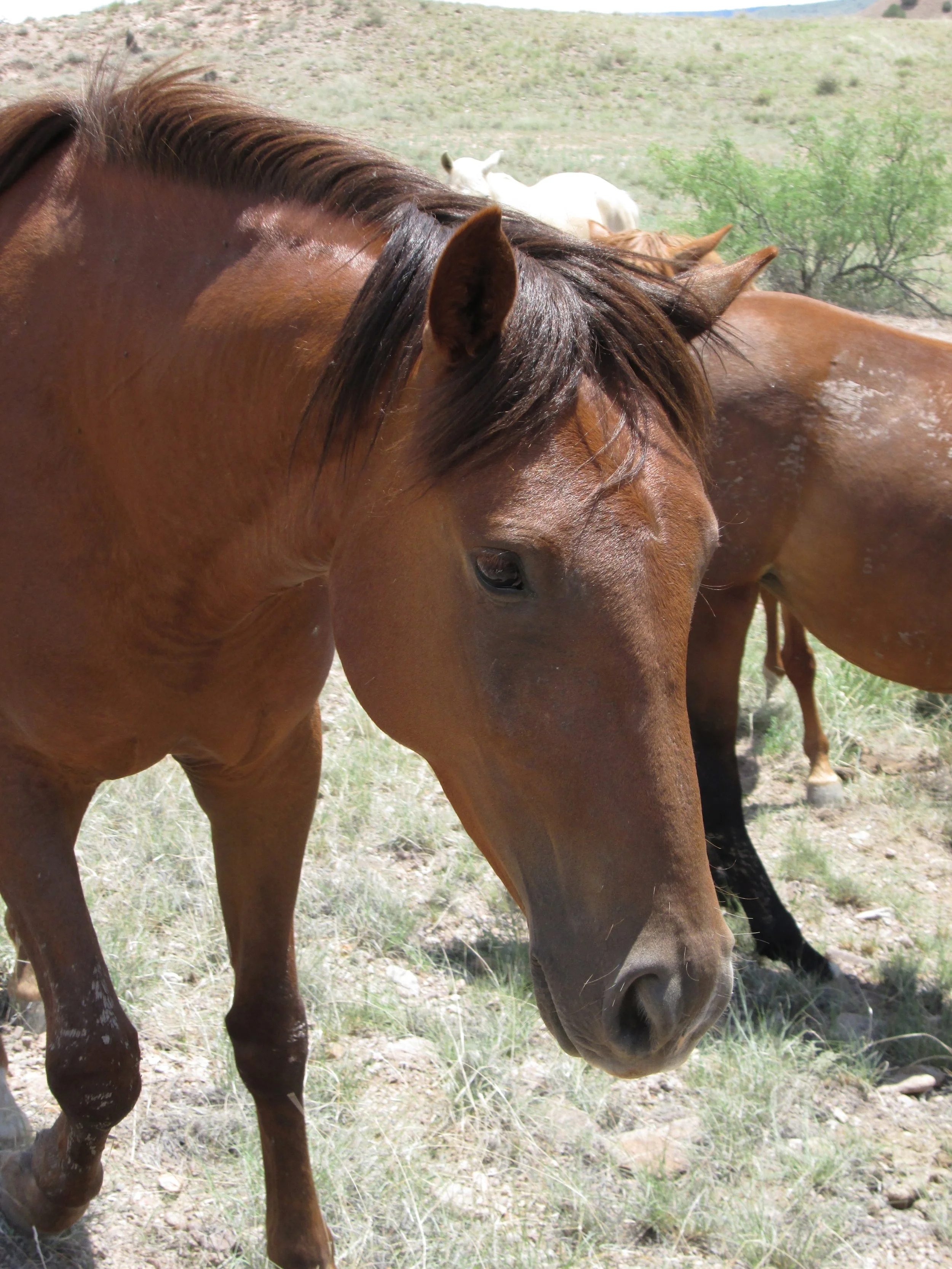
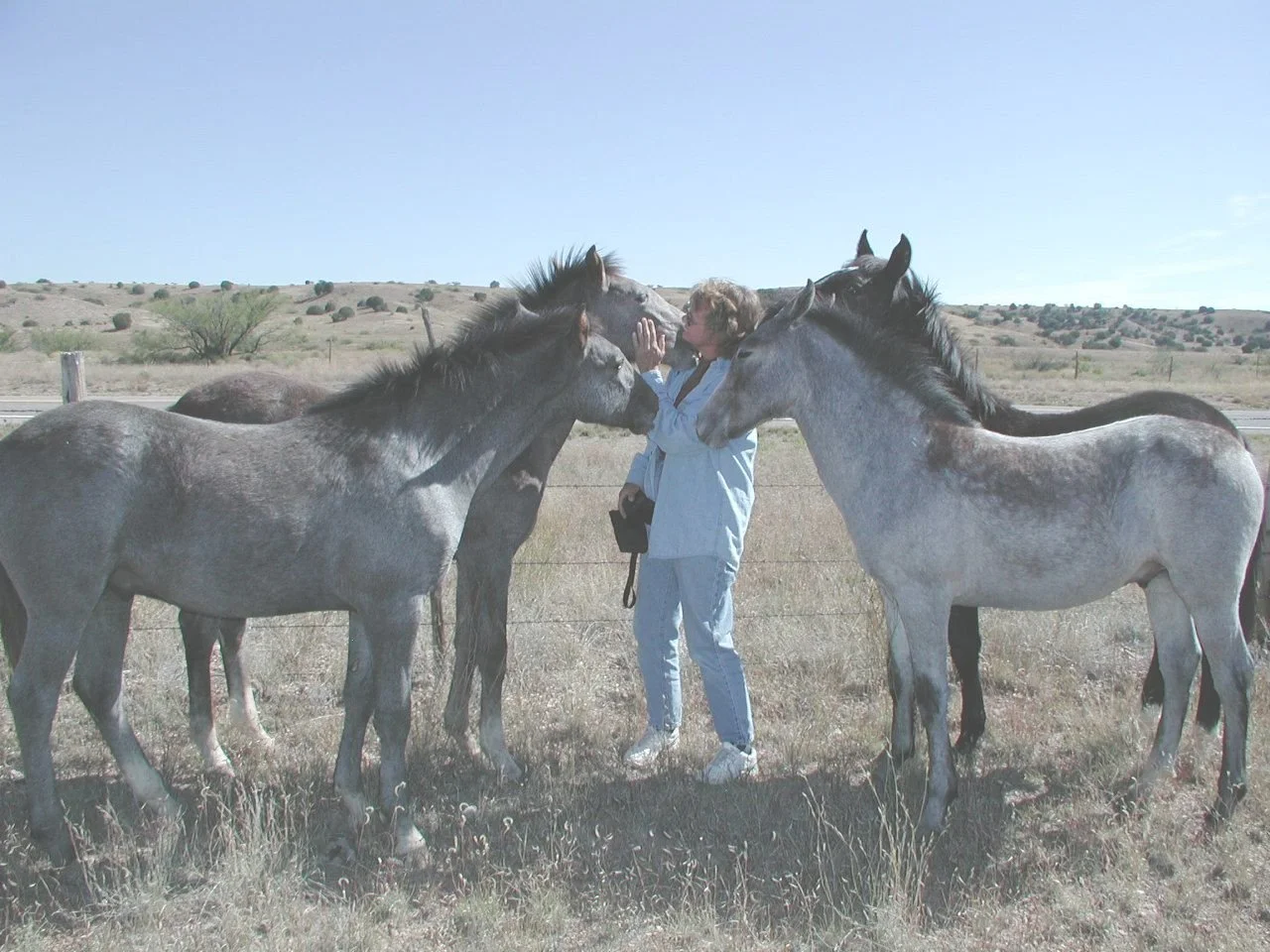
We are prioritizing the mares at highest risk. These are the most vulnerable, and important genetically, and require immediate, focused breeding management.
Collaborative Approach to Conservation.
Our strategy to assist the remaining breedable mares and stallions involves a collaborative approach. A coordinated program will be established through partnerships among owners, veterinarians, reproductive specialists, and other relevant stakeholders. This plan encompasses the following key elements:
Prioritize mares and stallions.
Select breeding method per pairing.
Execute breedings in collaboration with the team for individual mares.
We rely on donors to support a specific mare and fund an essential project focused on mare care and breeding. If you'd like to help, you can sponsor a particular mare and her breeding program. Donors assist our team—including mare owners, reproduction specialists, and veterinarians—in covering the costs necessary for successful and healthy foal births.
Meet the Mares
-
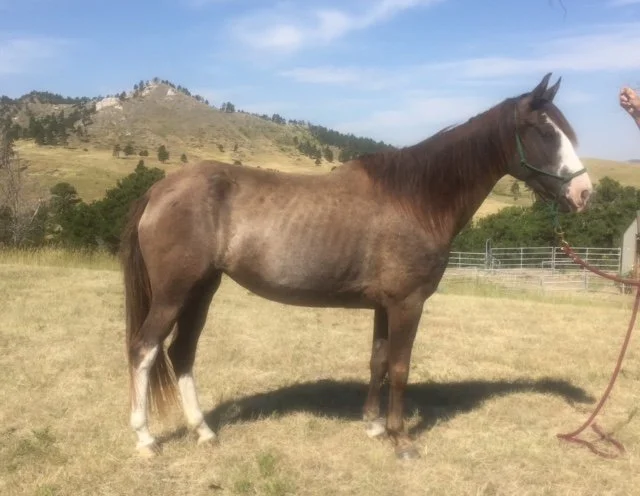
Serrita Cruce
Serrita is from some of the original lines of the Wilbur Cruce horse. She is out of Cruise Control and Serrana she is a Jennett type that is gaited. These gaited horses……
-
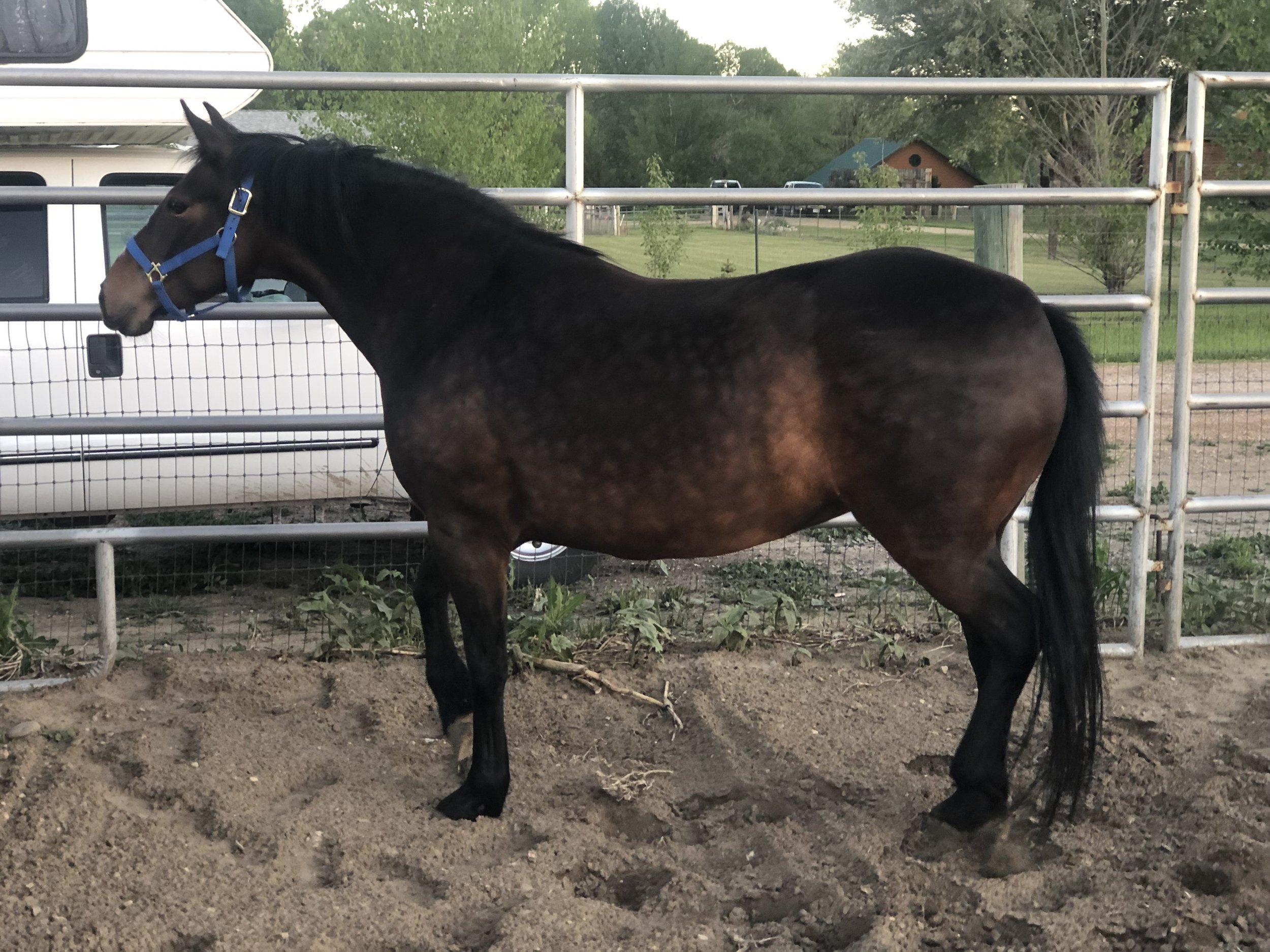
Mirabella
Mirabella is out of Rivendales Wildfire and….
-
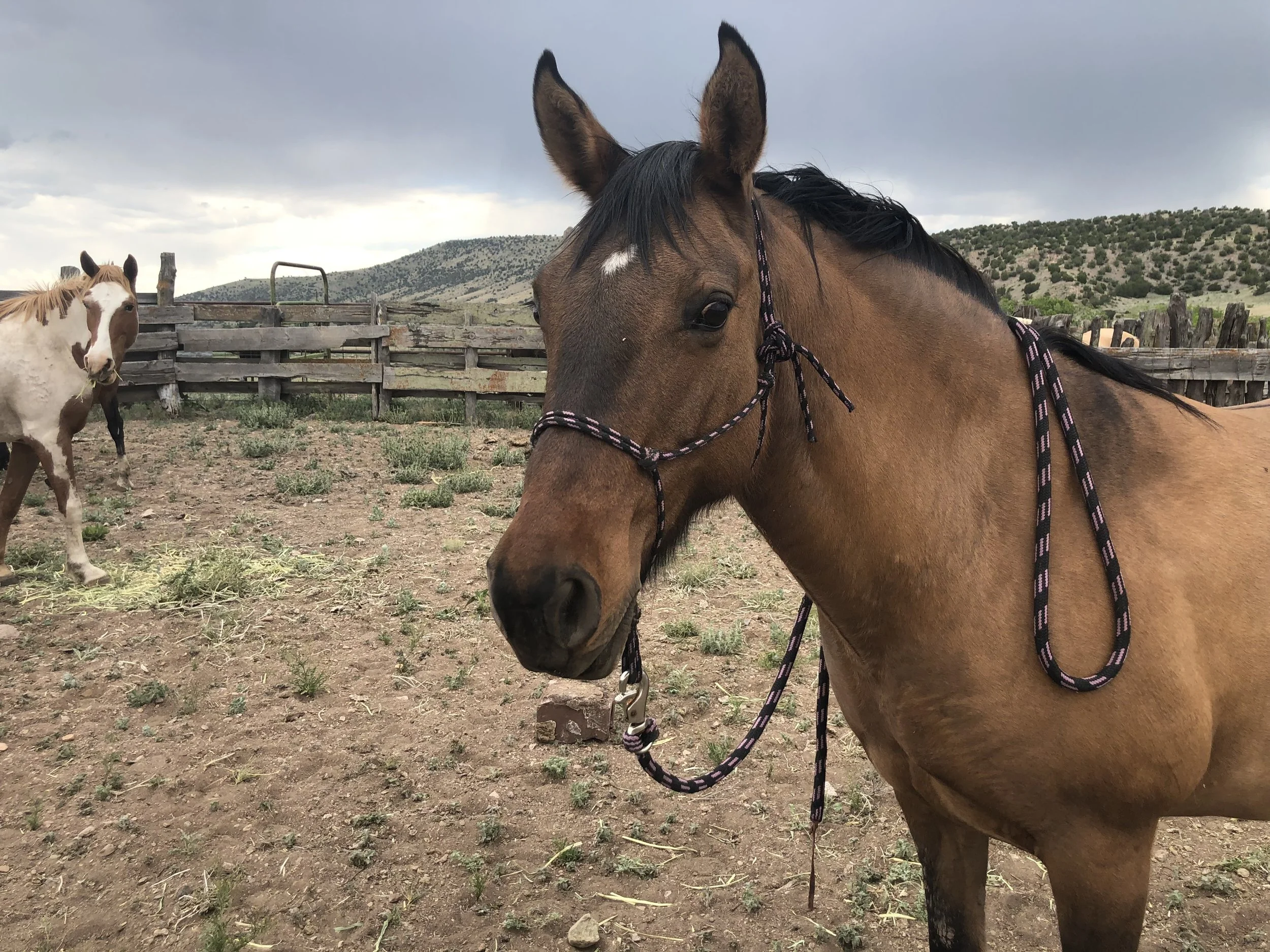
Sonora
Sonora is not in the pool right now but using her as a place holder.
-
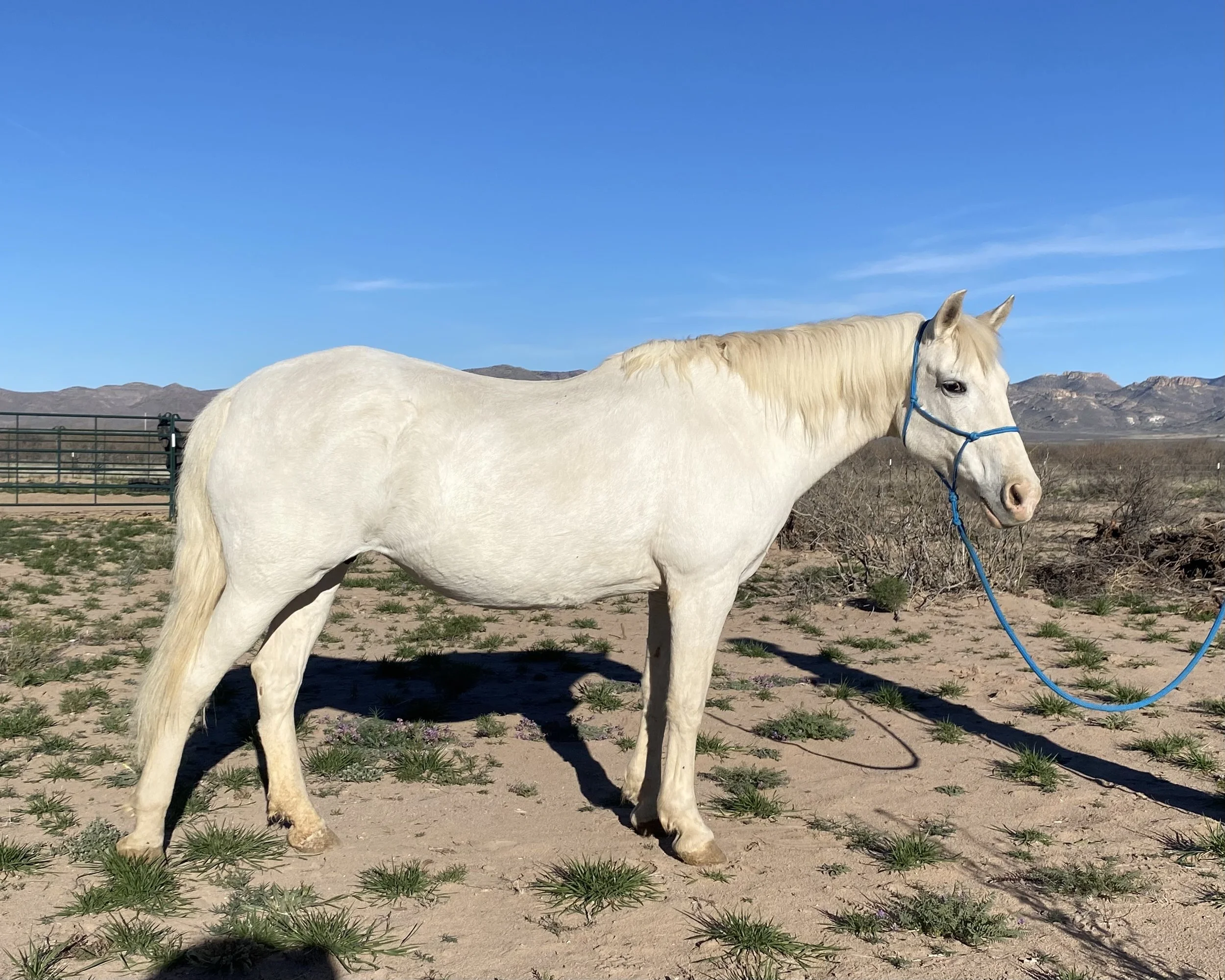
Sofia
Sofia, a 23-year-old WC mare. She recently had a filly that is doing great. Another candidate for embryo transfer because of her lines and conformation.
-
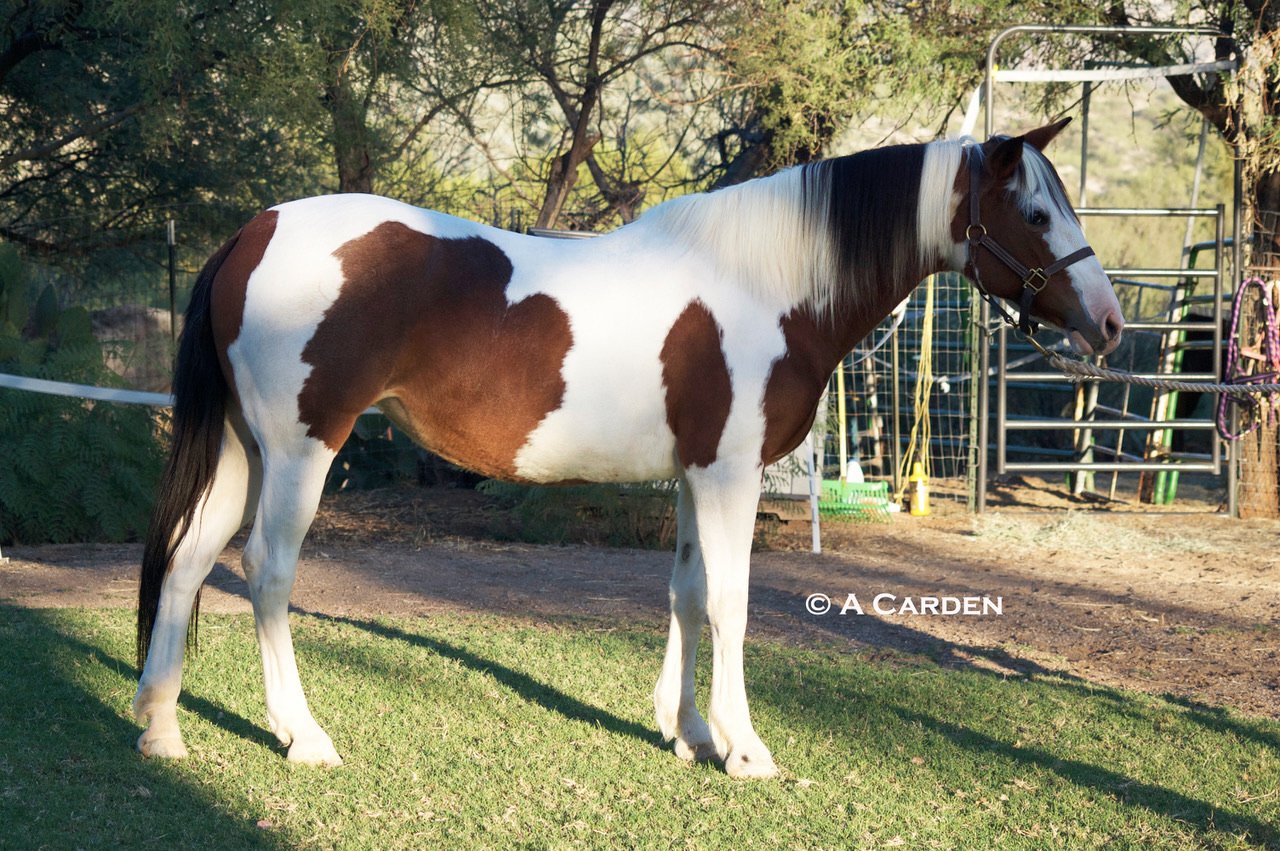
Miranda
Miranda is a Tobiano mare. Talk about this rarity in the WC. Also what is her lines as well as she is a perfect candidate for Embryo transfer. Need photo of her from Beth.
-
Tia
placeholder description ……